
15 days
Daily Tour
Unlimited
___
A Grand Cultural & Scenic Traverse of the Last Himalayan Kingdom
Upon completing immigration formalities at the Darranga Integrated Check Post (India–Bhutan border), you enter Bhutan and arrive in the small frontier town of Samdrup Jongkhar.
You will be warmly received by a representative of Experience Bhutan Travel and transferred to your hotel.
Evening:
Dinner at the hotel
Overnight stay in Samdrup Jongkhar
Distance: 180 km | Driving Time: 6–7 hours
After breakfast, begin a scenic drive into eastern Bhutan through lush countryside, traditional villages, and dense teak forests. The journey involves dramatic ascents and descents, crossing notable mountain passes such as Kharungla and Yongphu La.
En route visits:
Khaling Handloom & Weaving Centre – observe traditional eastern Bhutanese weaving
Khaling Blind School – a meaningful community visit
Lunch stop in Wamrong, a charming roadside town
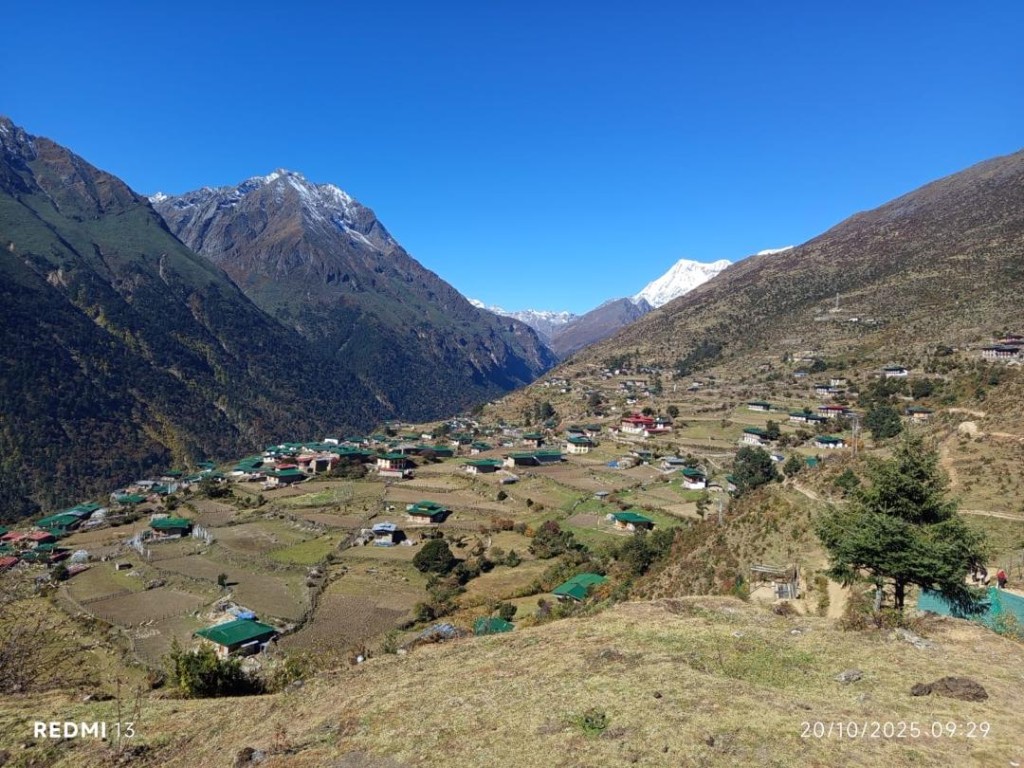
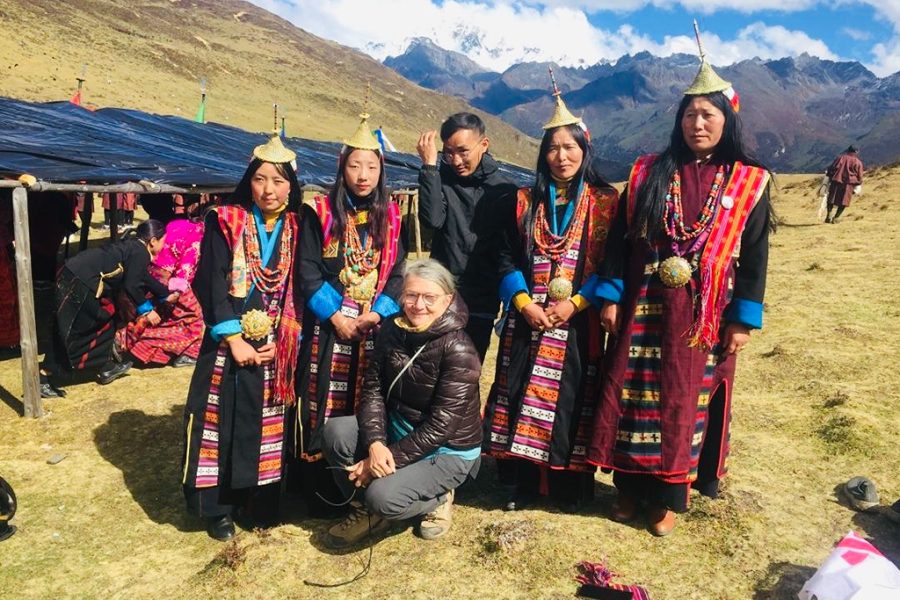
Arrive in Trashigang by late afternoon. This region is culturally distinct, with Sharchopkha spoken instead of Dzongkha. You may notice people from Merak and Sakteng, known for their unique features, yak-wool attire, and distinctive hats.
Evening:
Leisure time to relax
Dinner & overnight at the hotel
Distance: 52 km one way | Driving Time: ~1.5 hours
After breakfast, enjoy a day excursion to Trashi Yangtse District, near the border with India’s Arunachal Pradesh.
Sightseeing highlights:
Gomphu Kora – a sacred circumambulation site associated with Guru Rinpoche and an ancient meditation cave
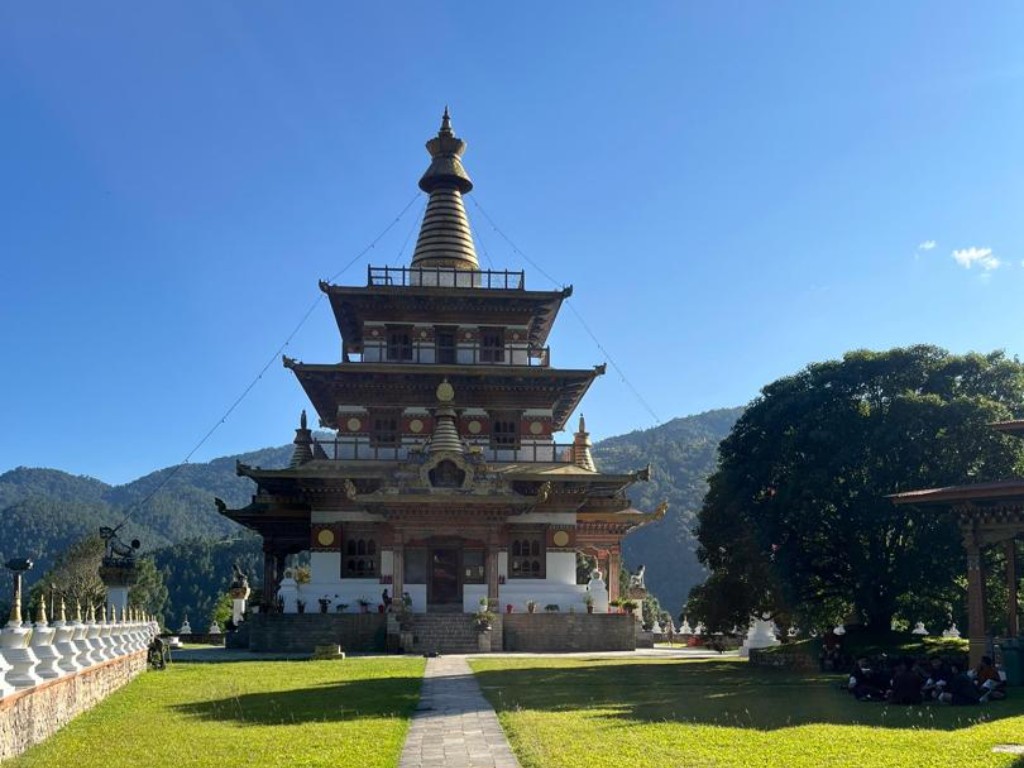
Chorten Kora – a 1740 stupa modeled after Nepal’s Boudhanath, hosting the annual Dakpa Kora Festival
Traditional Wood Turning (Shagzo) – witness master artisans crafting wooden bowls, cups, and containers
Lunch: Local restaurant in Yangtse
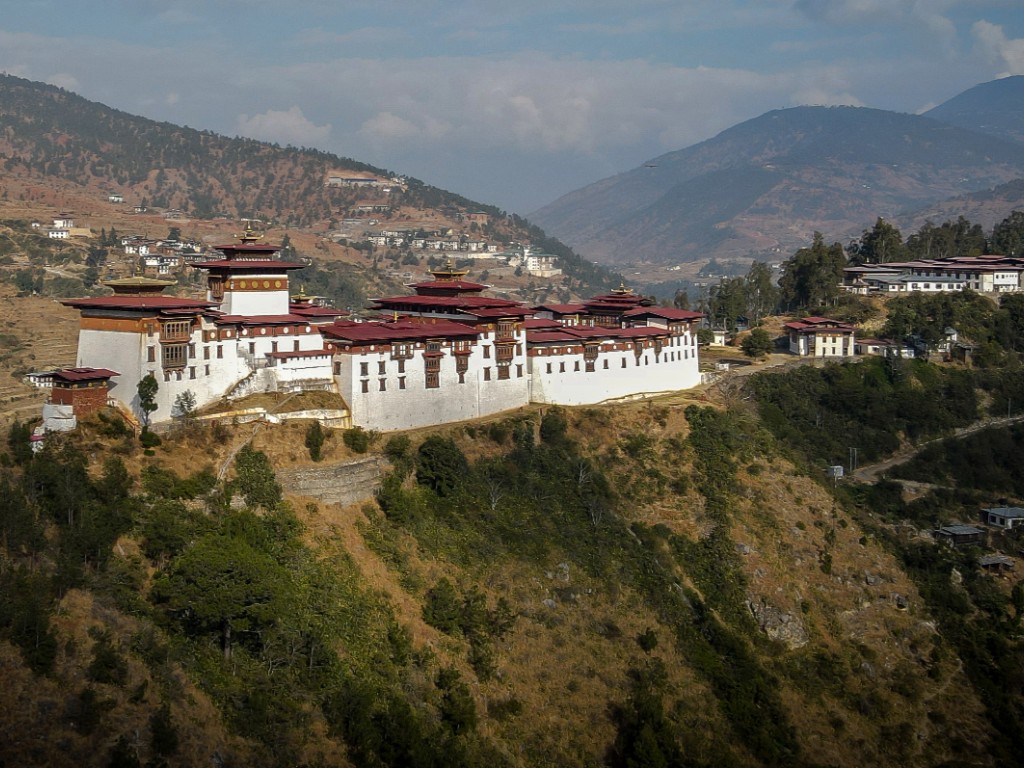
On the return journey, visit Trashigang Dzong, dramatically perched above the confluence of the Drangme Chhu and Gamri Chhu rivers. Built in 1659, it once defended eastern Bhutan from invasions and today serves as the district’s administrative and monastic center.
Dinner & overnight in Trashigang
Distance: 91 km | Driving Time: 3–4 hours
After breakfast, drive towards Mongar, with an optional detour through village roads to visit Drametse Monastery, one of Bhutan’s most revered spiritual centers.
Drametse Monastery:
Founded by Ani Choten Zangmo, granddaughter of the treasure-discoverer Pema Lingpa, Drametse means “The Peak Where There Are No Enemies.” The monastery preserves her sacred relics and is famous for the Drametse Ngacham mask dance.
Continue to Mongar, stopping for lunch at a roadside restaurant or with a packed meal.
Afternoon:
Visit Mongar Dzong, built traditionally without nails or architectural drawings
Evening stroll through Mongar town
Dinner & overnight in Mongar
Distance: 74 km one way | Driving Time: ~2 hours
After an early breakfast, drive to Khoma Village, renowned throughout Bhutan for its exquisite handwoven textiles.
Highlights:
Observe men and women weaving intricate Kusuthara silk fabrics
Learn about traditional dyeing and weaving techniques passed down generations
Lunch:
Authentic home-cooked meal at a farmhouse (subject to arrangement)
Time permitting, visit Lhuntse Dzong, dramatically perched on a ridge above the Kurichhu River. Return to Mongar in the evening.
Dinner & overnight in Mongar
Distance: 195 km | Driving Time: 7–8 hours
Today’s journey is among the most spectacular drives in Bhutan, crossing Thrumshing La Pass (3,800 m). The landscape transitions from subtropical forests to alpine scenery with waterfalls, cliffs, and high-altitude flora.
En route visit:
Ura Valley (3,100 m) – Bumthang’s highest and most picturesque valley
Walk through cobblestone lanes and visit Ura Lhakhang, dedicated to Guru Rinpoche
Continue to Bumthang Valley, the spiritual heartland of Bhutan.
Dinner & overnight in Bumthang
A full day exploring Bhutan’s most sacred region.
Visits include:
Jambay Lhakhang (7th century)
Chakhar Lhakhang, site of the Iron Castle of Sindhu Raja
Kurjey Lhakhang, built around Guru Rinpoche’s body imprint
Tamshing Lhakhang, founded by Pema Lingpa
Jakar Dzong, overlooking the valley
Lunch: Chamkhar town
Later visit Mebar Tsho (Burning Lake), where Pema Lingpa revealed sacred treasures.
Evening free to explore Chamkhar town.
Dinner & overnight in Bumthang
Distance: 163 km | Driving Time: 4–5 hours
After breakfast, drive westward via scenic mountain passes.
Stops include:
Chumey Valley – witness traditional Yathra wool weaving
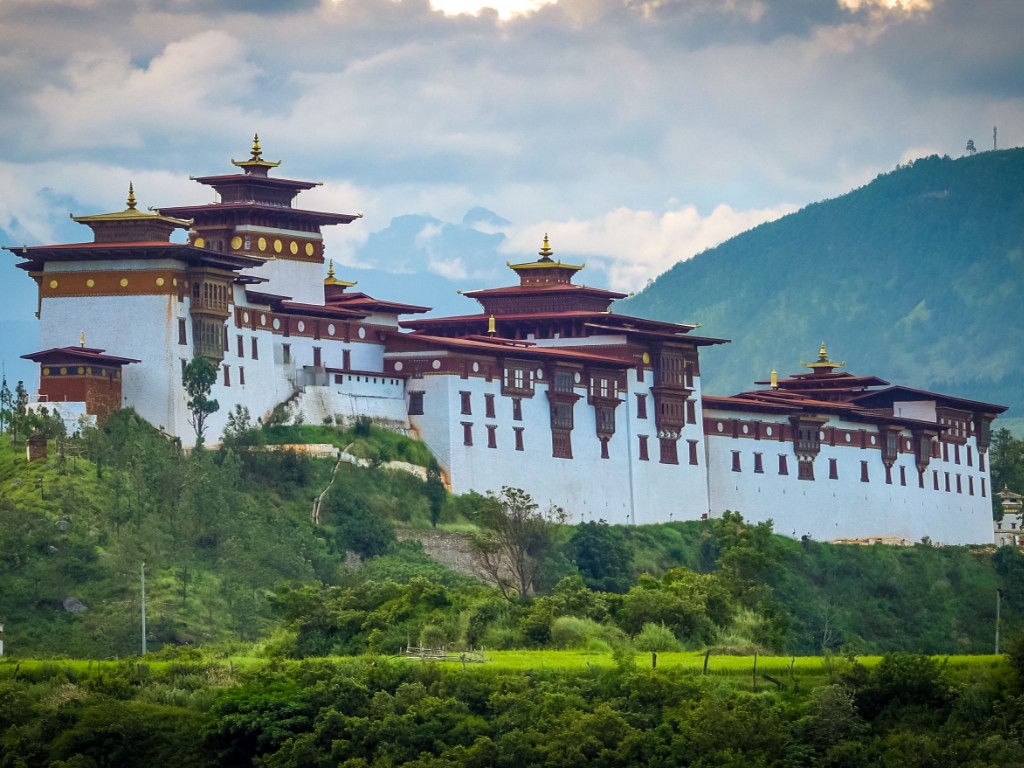
Trongsa Dzong viewpoint, offering breathtaking views
Chendebji Chorten – lunch stop
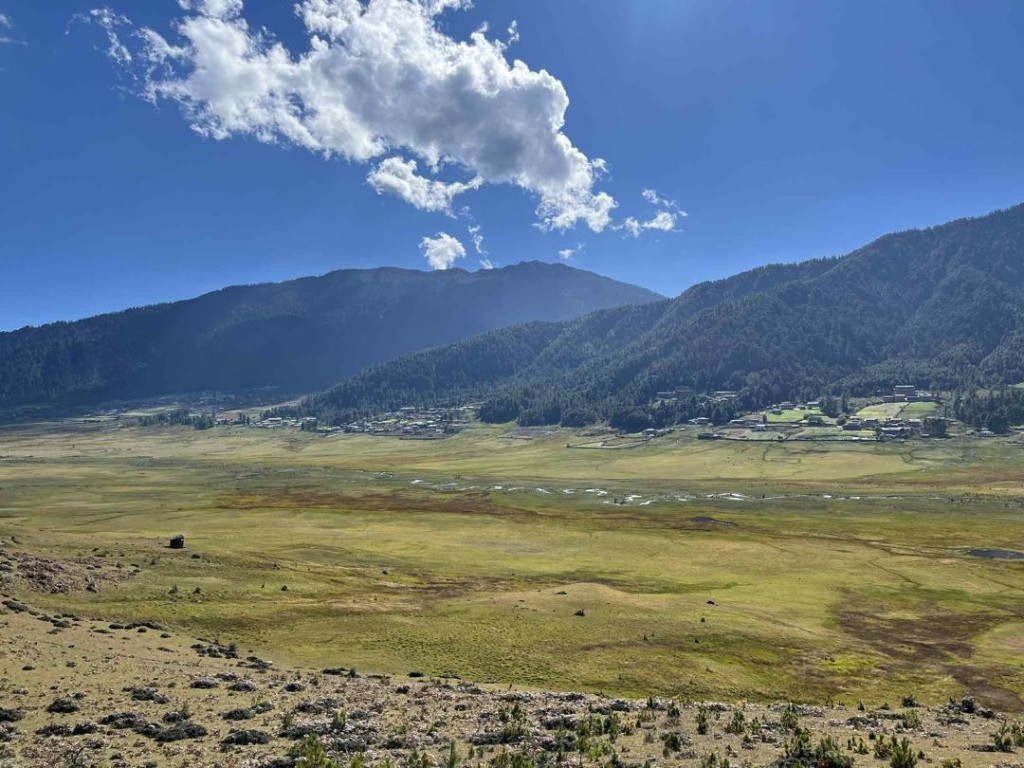
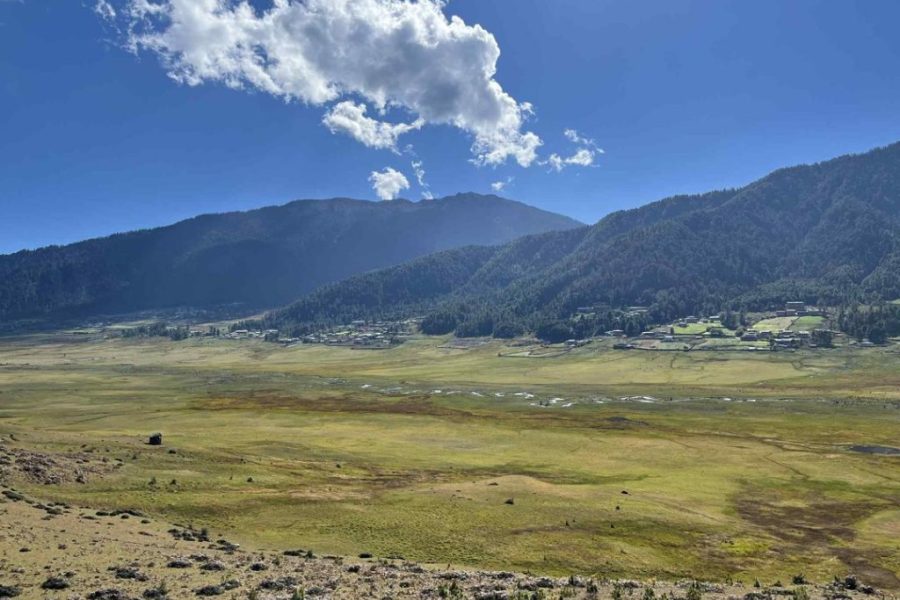
Continue over Pele La Pass into Phobjikha Valley, winter home of the endangered Black-Necked Cranes.
Visit Gangtey Monastery, dating back to the 16th century.
Dinner & overnight in Phobjikha
Distance: 79 km | Driving Time: ~2 hours
Descend from the glacial valley into warmer subtropical landscapes.
Afternoon visit:
Chimi Lhakhang, the famed Temple of Fertility, founded by Lama Drukpa Kunley
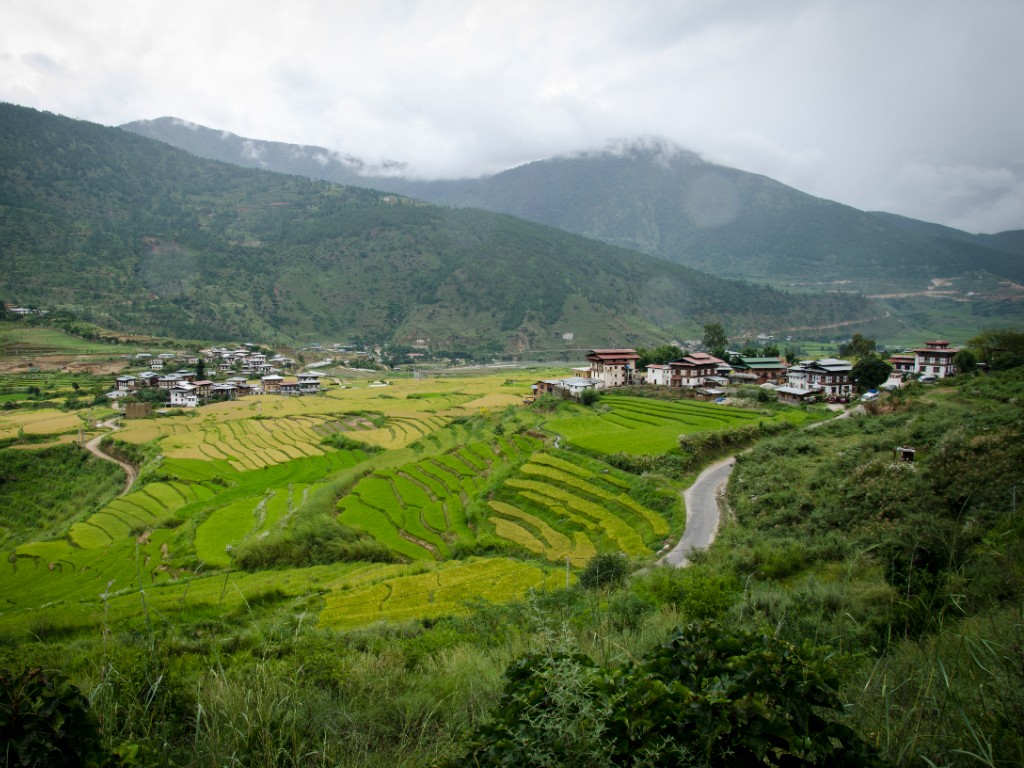
Walk through rice fields and villages before continuing to Punakha.
Dinner & overnight in Punakha
Distance: 71 km | Driving Time: 2–3 hours
Morning visits:
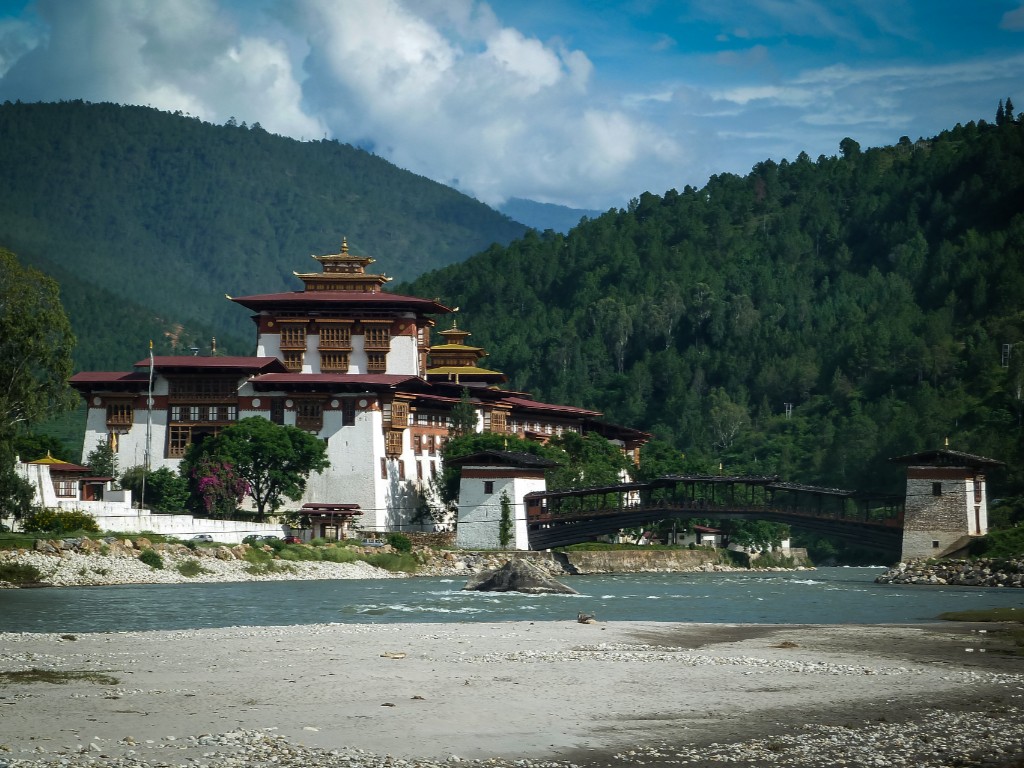
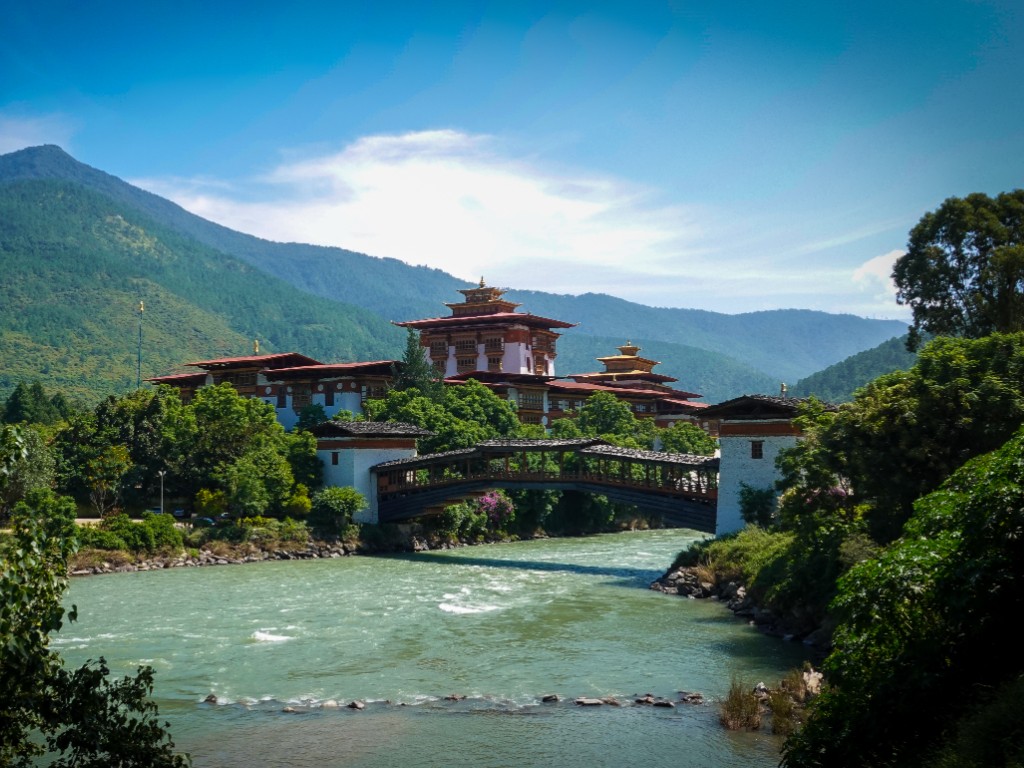
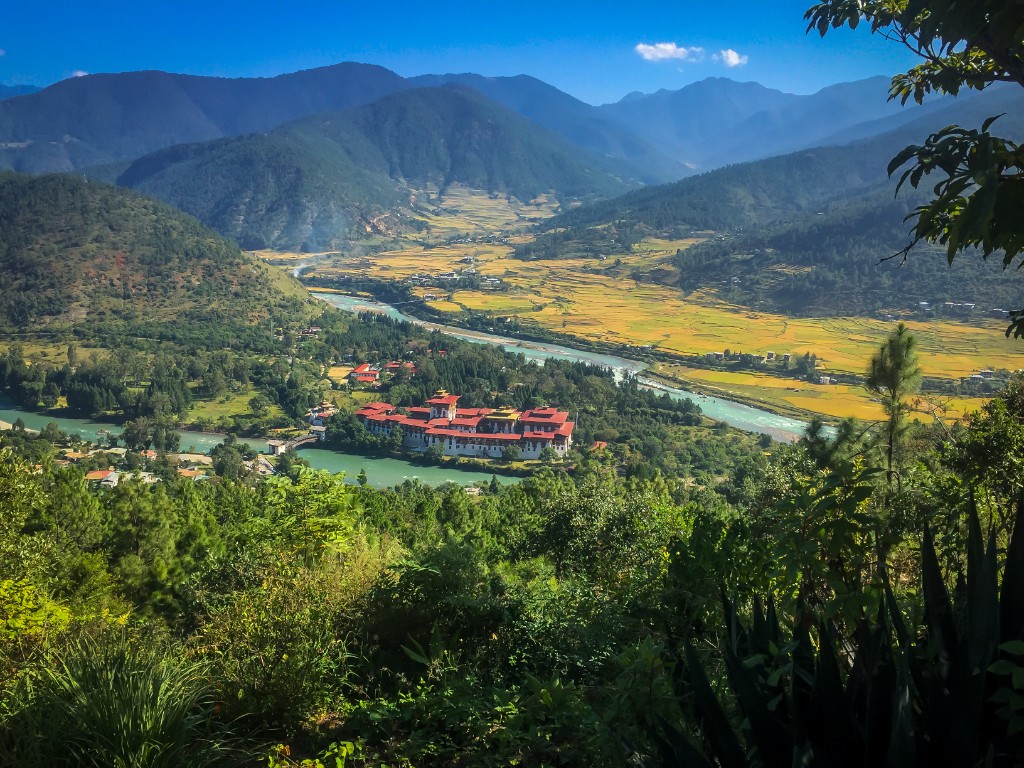
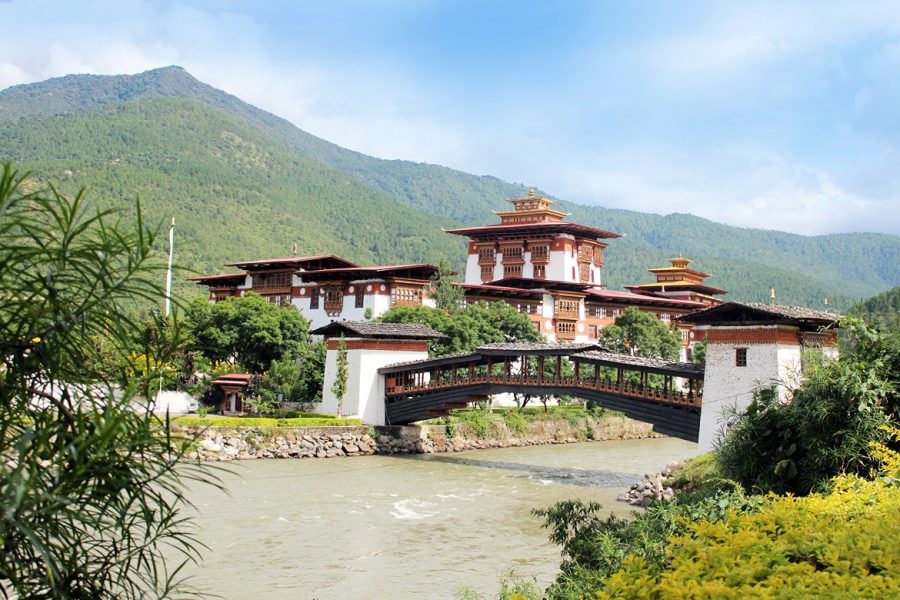
Punakha Dzong, Bhutan’s most beautiful fortress
Suspension Bridge, the longest in Bhutan
Sangchhen Dorji Lhuendrup Nunnery, offering panoramic valley views
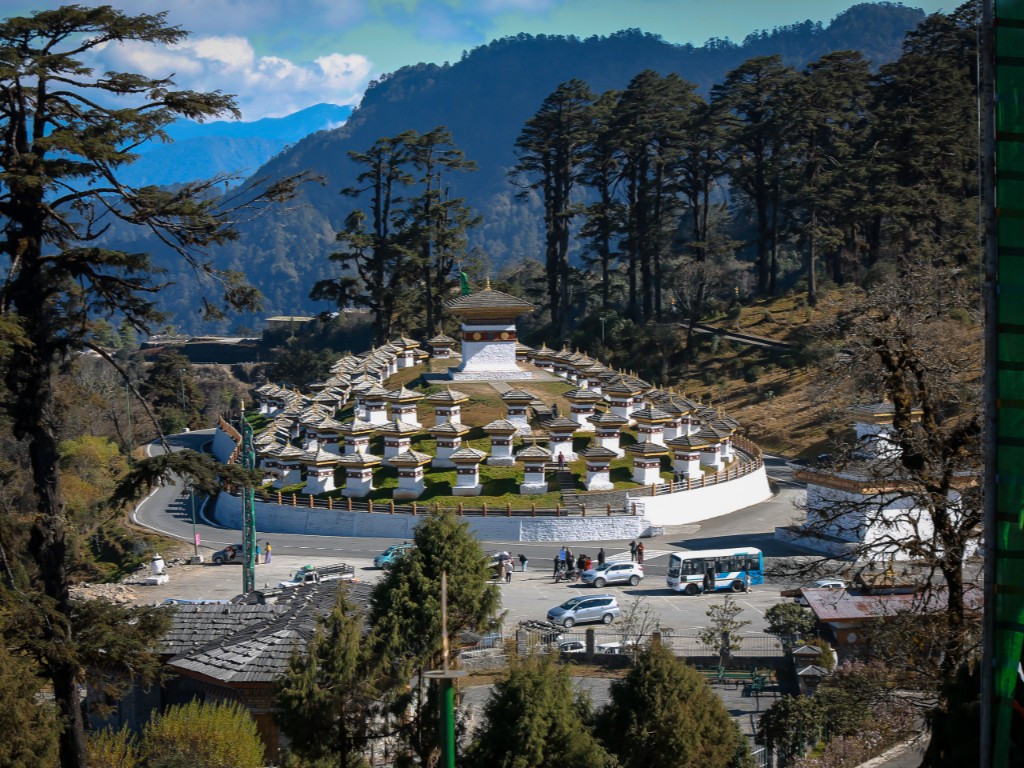
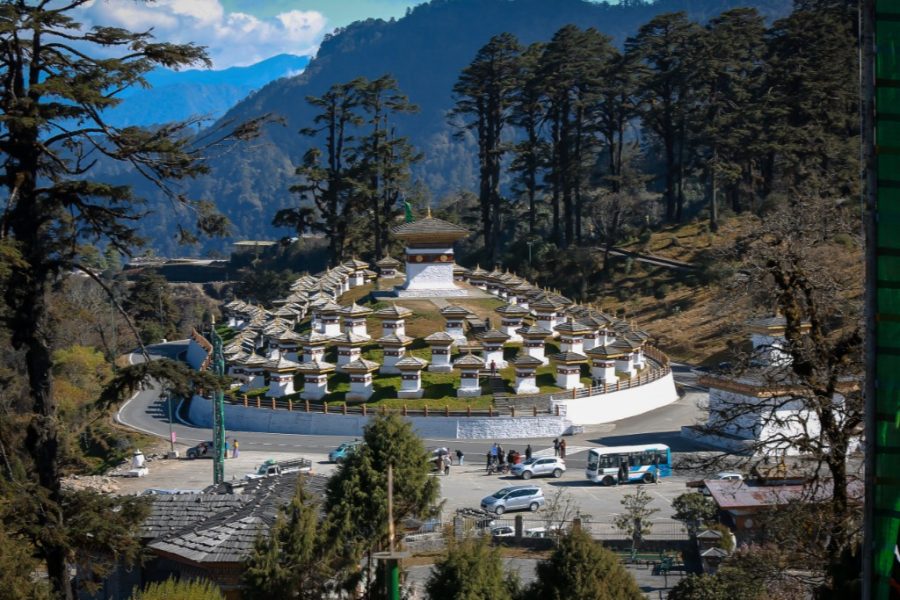
Drive to Thimphu via Dochula Pass (3,150 m), with views of the eastern Himalayan peaks and the 108 stupas.
Dinner & overnight in Thimphu
Highlights:
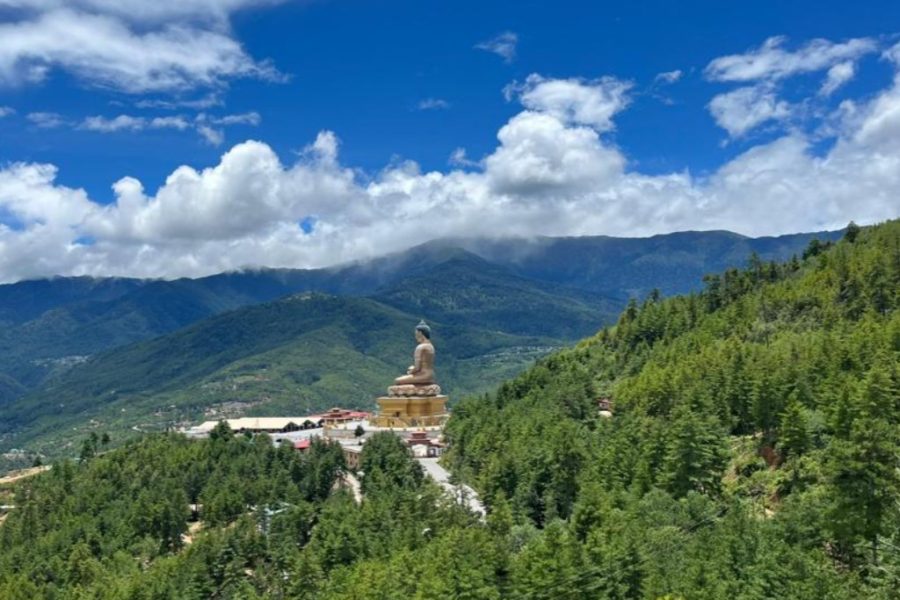
Buddha Dordenma Statue
Memorial Chorten
Takin Preserve
Zilukha Nunnery
Afternoon:
Institute for Zorig Chusum (13 traditional arts)
Tashichhodzong viewpoint
Craft Bazaar & Centenary Farmers’ Market
Dinner & overnight in Thimphu
Distance: 103 km | Driving Time: 3–4 hours
Drive to the remote and pristine Haa Valley, once closed to visitors. The journey passes rural villages, forests, and high ridges.
Dinner & overnight in Haa
Distance: 65 km | Driving Time: ~2 hours
Visit:
Lhakhang Karpo (White Temple)
Lhakhang Nagpo (Black Temple)
Traditional farmhouses
After lunch, drive via Chele La Pass (3,988 m), Bhutan’s highest motorable road, with possible views of Mt. Jomolhari and Mt. Kanchenjunga.
Arrive in Paro.
Dinner & overnight in Paro
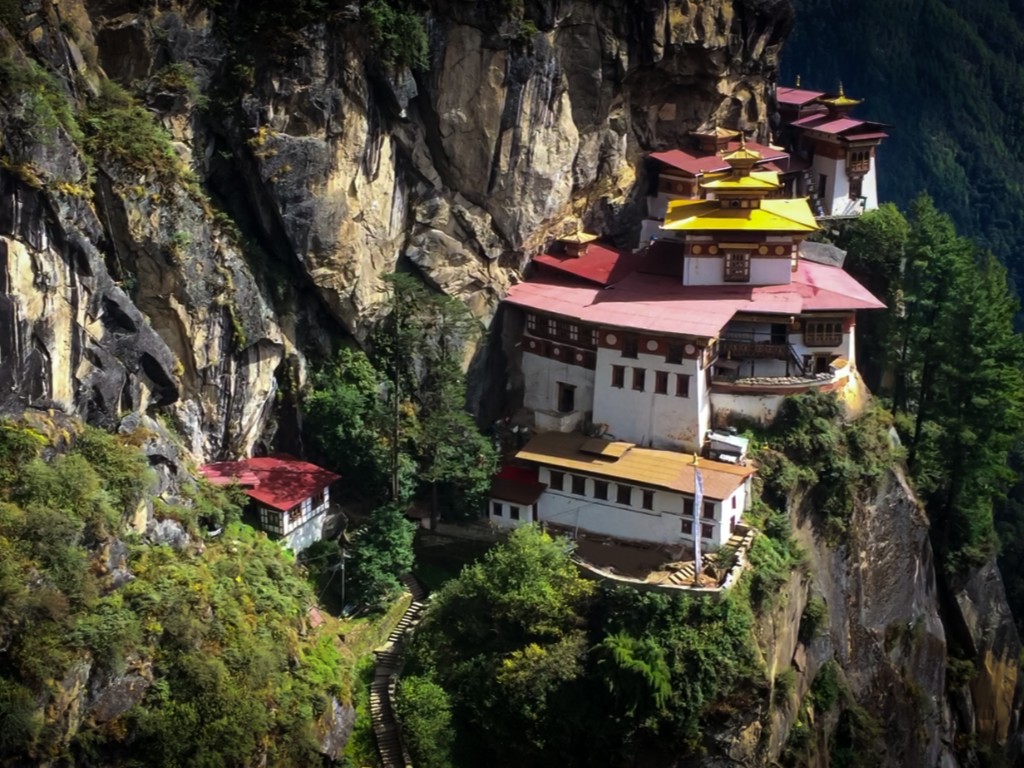
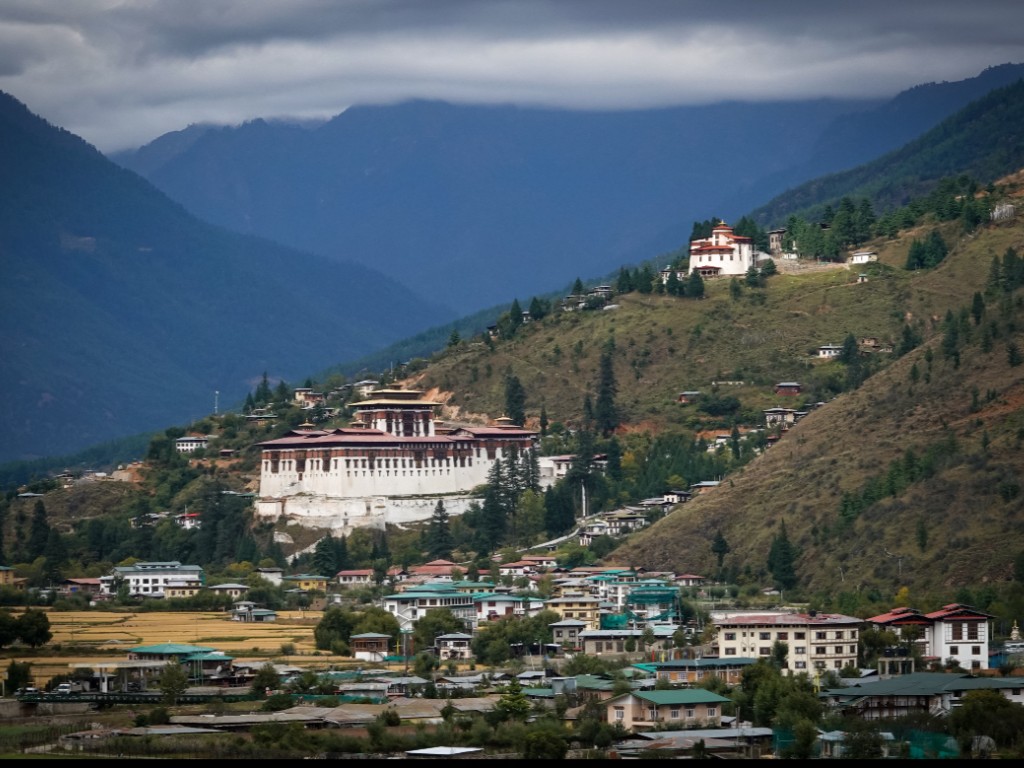
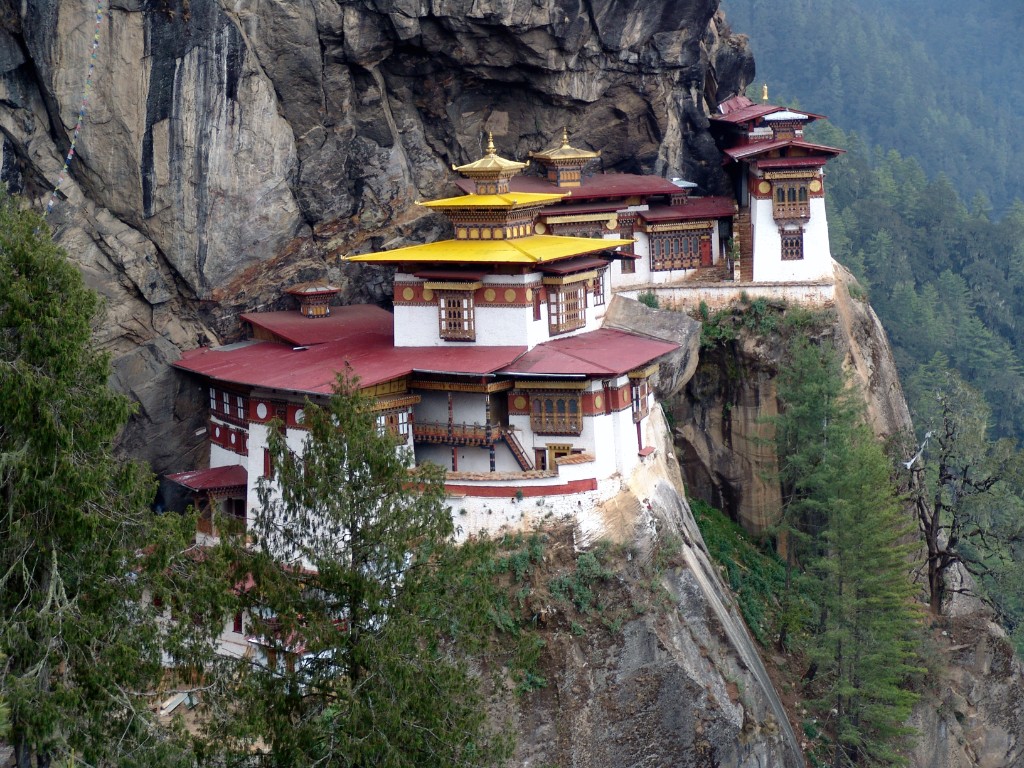
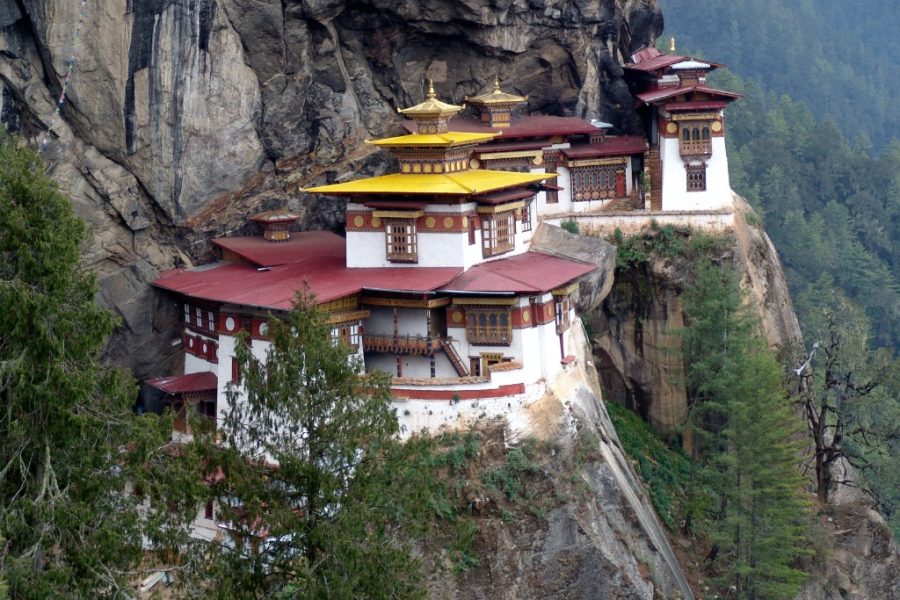
After an early breakfast, hike to the iconic Taktsang Monastery, dramatically perched 800 m above Paro Valley.
2.5 hours ascent | 1.5 hours descent
Visit the sacred caves and temples
Afternoon options (time permitting):
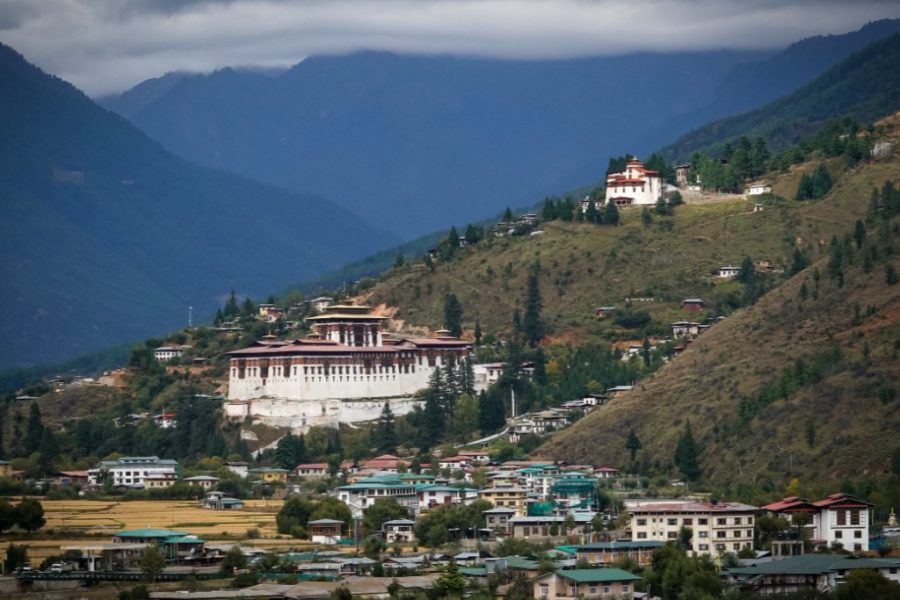
Drukgyel Dzong or
National Museum of Bhutan
Farewell dinner in Paro
After breakfast, transfer to Paro International Airport. Your guide will assist with departure formalities and bid you farewell.
End of Services | Tashi Delek!
There are 19 languages spoken in Bhutan, but the national language is Dzongkha. English is used throughout Bhutan’s education system, so it is widely used and understood.
Bhutan is a year-round destination. There are four seasons: summer (June to August), autumn (September to November), winter (December to February) and spring (March to May). But because of the range of altitudes in the country, and the influence of the north Indian monsoons, the climate is incredibly varied.
In the south, the humid, subtropical climate is fairly consistent year-round, with temperatures between 15oC and 30oC. Central Bhutan, with its temperate forests, has a more seasonal climate, with warm summers and cool, dry winters. The northern regions are much colder during winter. Because of the high altitude, mountain peaks are snowy year-round and the lower reaches remain cool in summer.
In summer, the Indian monsoon season runs from late June or July to late September, mostly affecting the southern regions. Most farming activities take place in the summer, when crops thrive in verdant landscapes.
Autumn, from late September or early October to late November, follows the rainy season. It is characterised by bright, sunny days and some early snowfall at higher elevations. It’s the season of feasts and festivals as farmers reap the fruits of their work.
From late November until March, the crisp, clear and sunny winter sets in, with frost throughout much of the country and snowfall common above elevations of 3,000 metres. The winter northeast monsoon brings gale-force winds at the highest altitudes through high mountain passes, giving Bhutan the name Drukyul, which means Land of the Thunder Dragon in Dzongkha (Bhutan’s national language).
Bhutan’s generally dry spring starts in early March and lasts until mid-April. It is a botanist’s delight, with nature in full bloom. Summer weather commences in mid-April with occasional showers and continues to late June.
Visitors of all nationalities, except those from India, require a visa before entering Bhutan. For all visitors, except those from Bangladesh and the Maldives, this visa must be applied for and approved in advance of travel. Visitors from Bangladesh and the Maldives also require a visa, but this can be applied for and approved either in advance of travel or upon arrival in Bhutan.
Visitors from India are able to apply for a permit but are required to hold an Indian passport or an Indian voter ID card. For Indian nationals under the age of 18, a passport or a birth certificate can be used to enter and they must be accompanied by a legal guardian.
Nationals from Switzerland and Thailand holding diplomatic or government-official passports are eligible for a visa at their port of entry.
No, there are no restricted nationalities in Bhutan.
The Sustainable Development Fee (SDF) is a daily levy paid by visitors to support Bhutan’s development. Since the kingdom first opened its doors in 1974, guests have played a critical role in our country’s growth.
The SDF is collected by the national exchequer and funds are allocated to various projects that create long-term, sustainable opportunities for the Bhutanese people, through free healthcare, education and training, upskilling the tourism and hospitality industry, improved infrastructure, environmental preservation and conservation, cultural preservation programmes and initiatives that support local businesses and economies. The SDF is also a vital means of maintaining the exceptional forest cover and carbon-neutrality for which our small nation is world-renowned and globally critical. The SDF also helps us to ensure that we can continue to offer guests tranquillity and an intimate experience.
The SDF is USD 100 per night for adults from all countries except for India. Children aged between 6 years and who have not yet turned 12 are eligible to pay USD 50 per night. Children who have not yet turned 6 years old do not have to pay any SDF.
The SDF for Indian nationals (showing a valid Indian passport or Voter ID card) is Nu. 1,200 (or the equivalent amount in Indian rupees) per person, per night. Children aged between 6 years and who have not yet turned 12 are eligible to pay Nu./INR 600 per night. Children who have not yet turned 6 years old do not have to pay any SDF.
You may bring cash equivalent to US$10,000 into the country.

Member Since 2025