4 days
Daily Tour
Unlimited
___
Discover Paro and Thimphu on this 4 day Bhutan tour with Experience Bhutan Travel. Bhutan at a Glance combines cultural sightseeing, scenic drives and a hike to Tiger’s Nest Monastery. With three nights in Bhutan, it offers first-time visitors a short introduction to the country’s traditions and landscapes.
Your journey starts and ends at Paro International Airport. Along the way, explore temples, visit local landmarks and spend time in Bhutan’s capital. An English-speaking local guide helps you understand the places you visit.
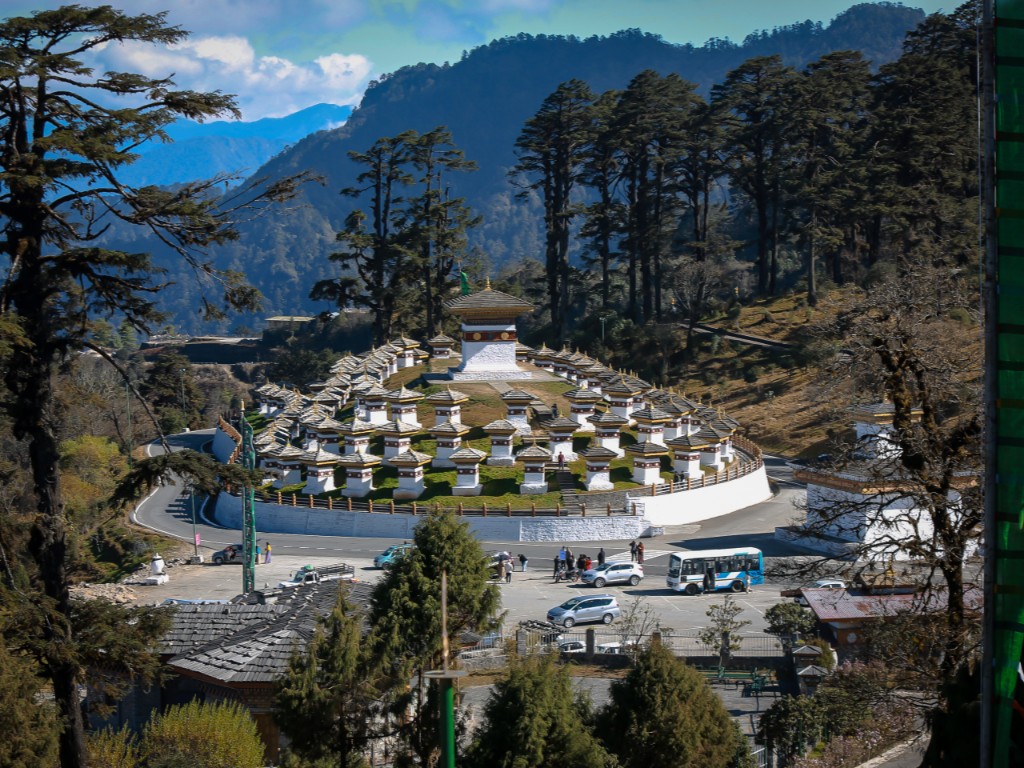
First, travel from Paro to Thimphu. Depending on your arrival time, visit Memorial Chorten and take a gentle walk through town. Browse handicraft shops and enjoy your first impressions of daily life in Bhutan.
The next day brings more cultural sightseeing. The itinerary includes Buddha Dordenma, Motithang Takin Preserve and traditional arts. You then return to Paro, where a town walk offers time to explore before the following day’s hike.
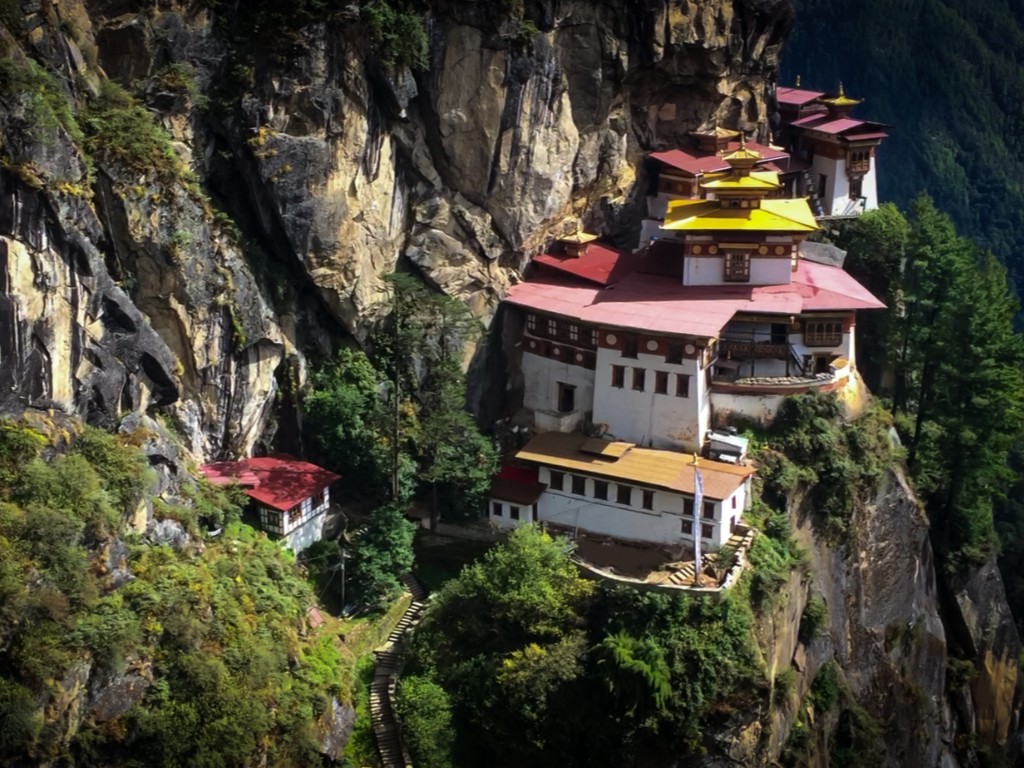
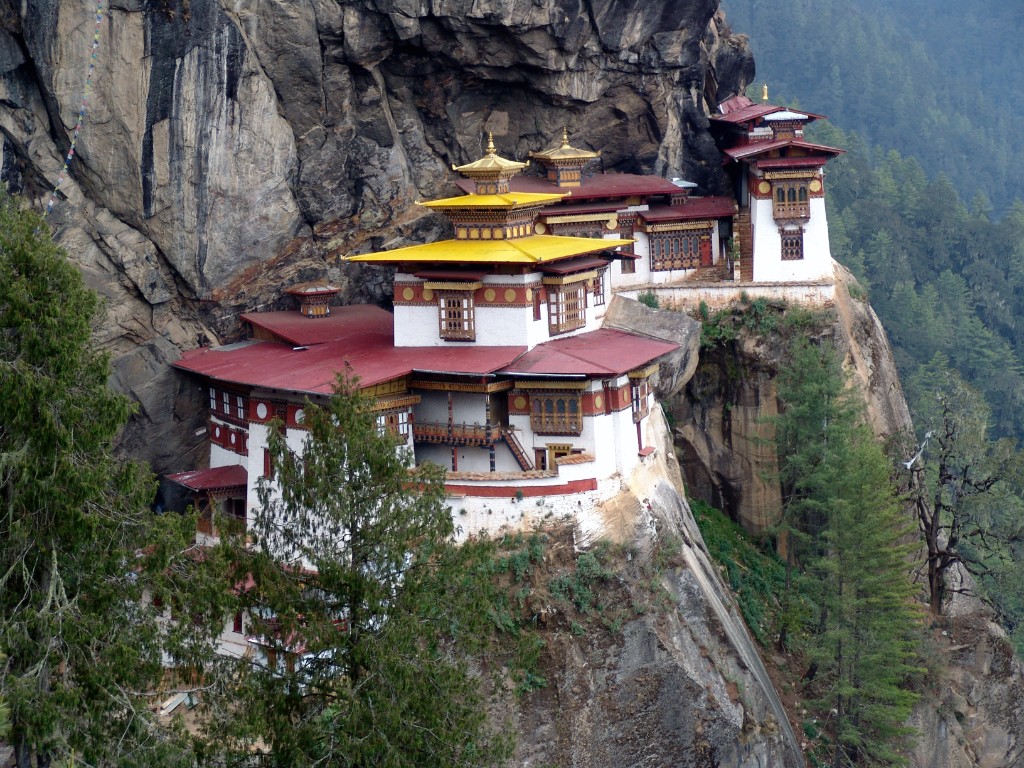
Tiger’s Nest Monastery is a highlight of this 4 day Bhutan tour. The uphill walk includes rest stops and views across Paro Valley. Allow yourself time to enjoy the trail rather than rush to the top.
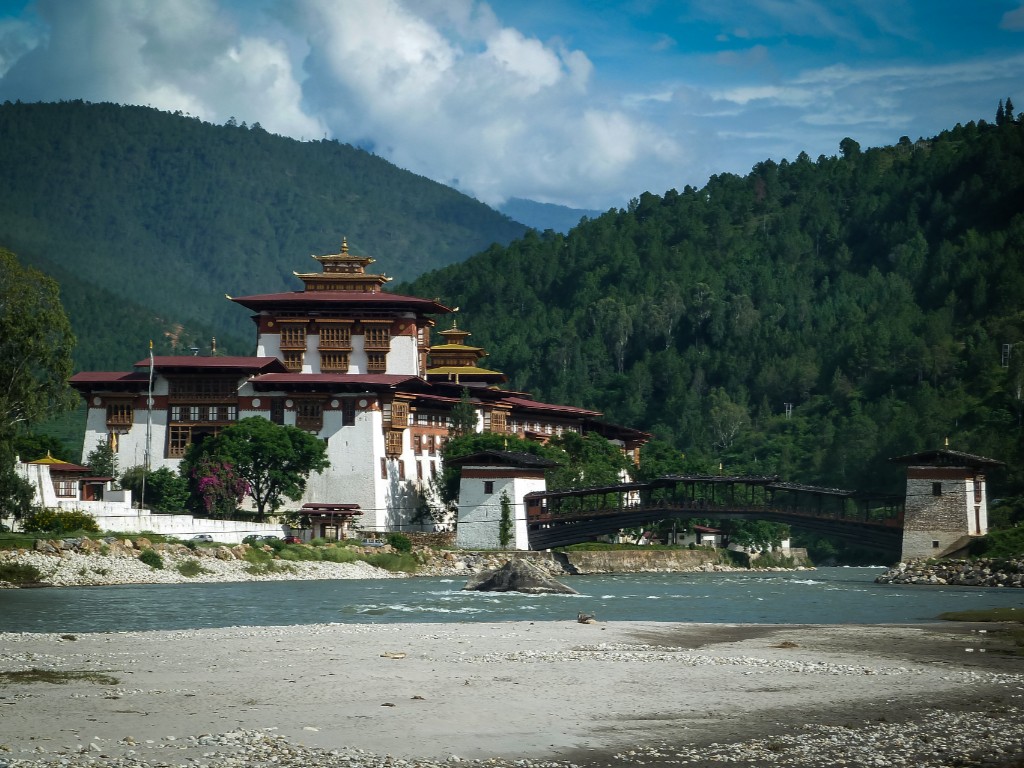
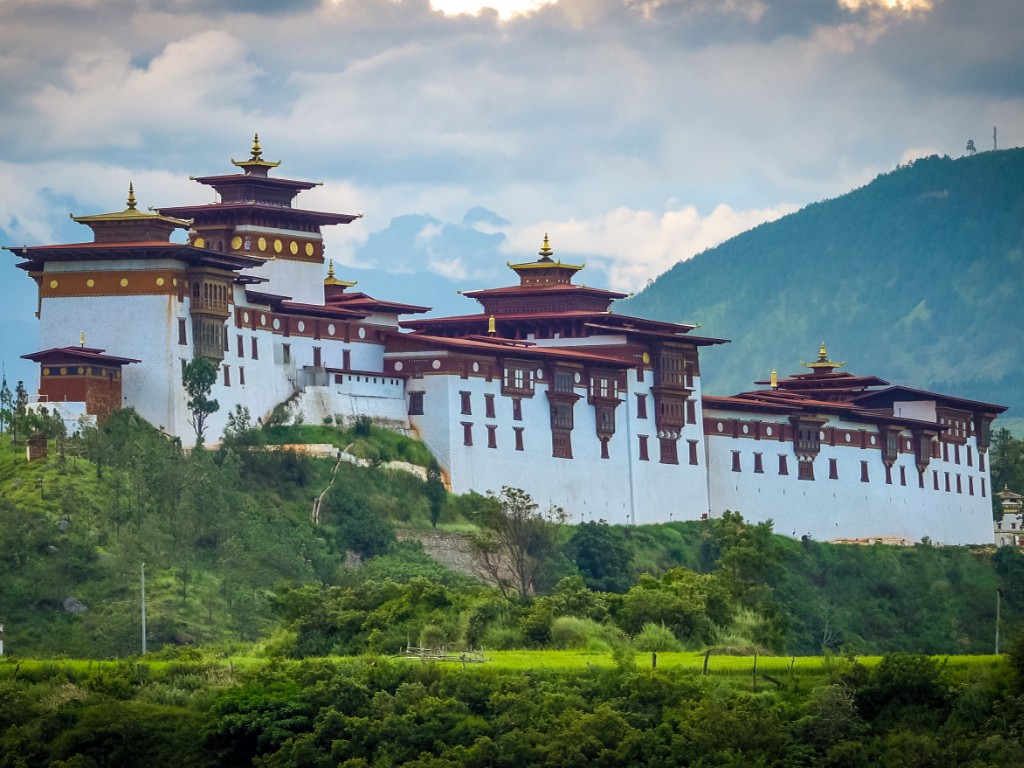
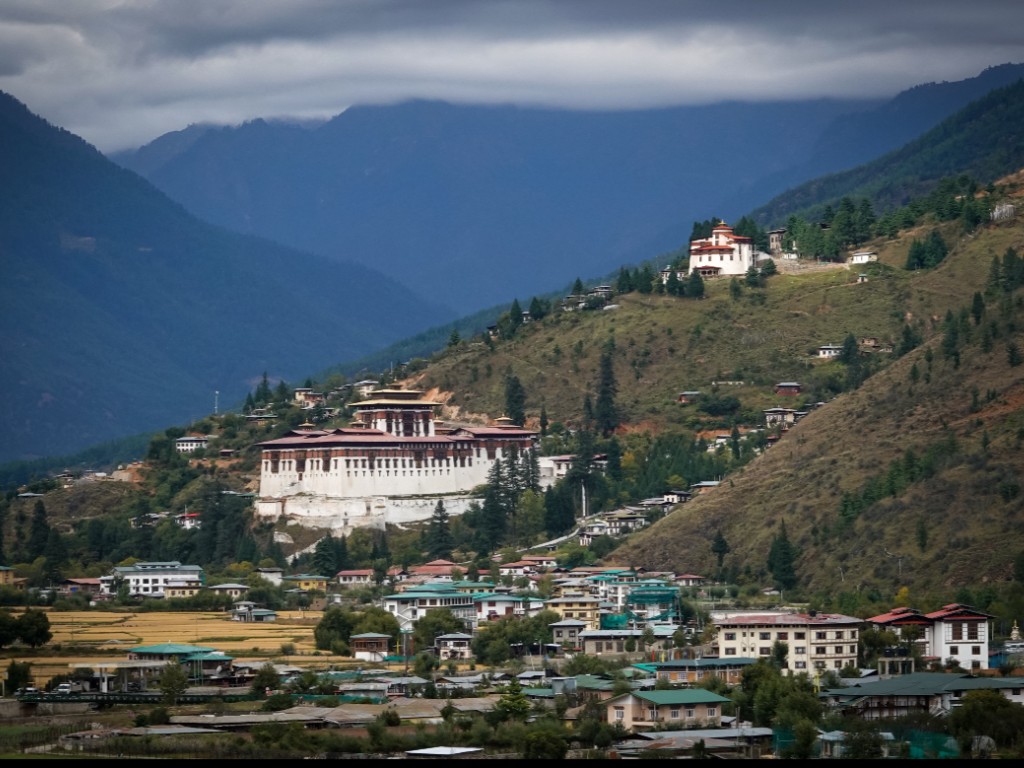
The Paro programme also includes the National Museum and Rinpung Dzong. These visits introduce you to Bhutanese art, architecture and history. There is also time for souvenir shopping before your departure.
This itinerary suits travellers who want a short cultural introduction with an active hiking day. However, the Tiger’s Nest walk requires more effort than the town visits. Tell us about your walking comfort and interests when planning your trip.
Before booking, read our Bhutan visa requirements. You can also explore our Bhutan cultural tours or request a customized tour to discuss your plans.
Overnight: Thimphu
Arrive at Paro International Airport, one of the world’s most spectacular Himalayan airports. Upon arrival, you will be warmly welcomed by your professional Bhutanese guide and driver.
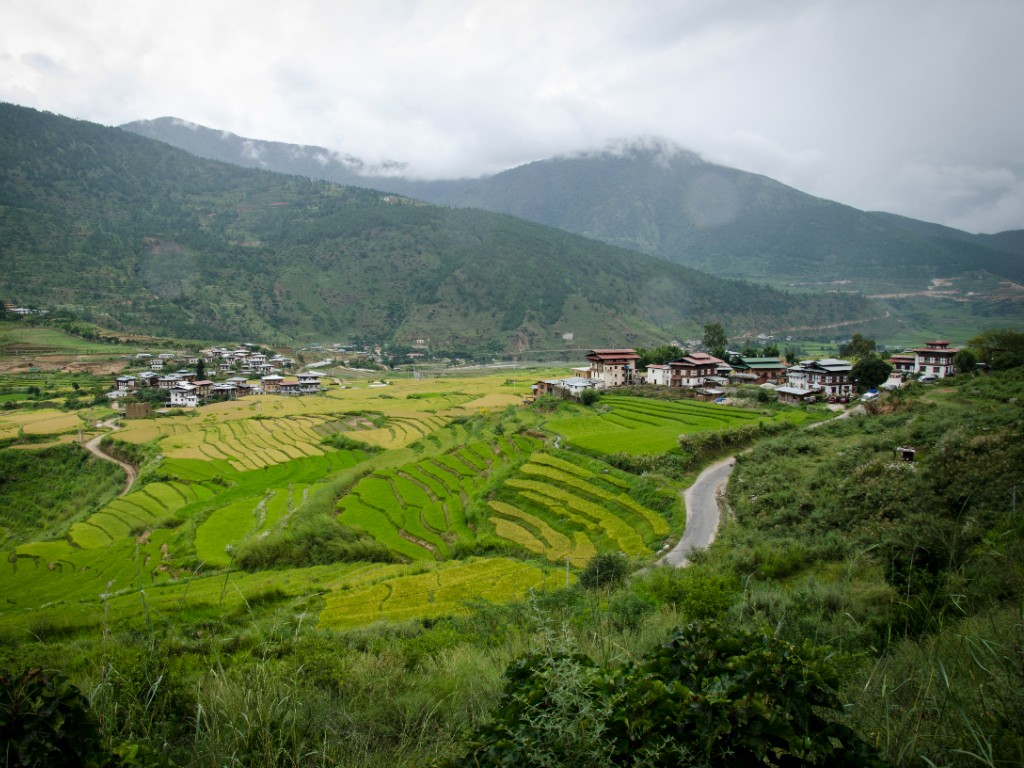
After immigration formalities, begin a scenic drive to Thimphu, the capital city of Bhutan (approx. 55 km | 1.5 hrs). The road winds along the Paro and Thimphu rivers, passing charming villages, prayer flags fluttering in the wind, and terraced fields.
Depending on flight arrival time, enjoy lunch at a local restaurant in Thimphu.
In the afternoon, enjoy a gentle introduction to the city:
Check into your hotel and enjoy a relaxed evening at leisure.
Overnight: Paro
After breakfast, proceed for a comprehensive cultural exploration of Thimphu:
After lunch, drive back to Paro Valley, one of Bhutan’s most beautiful and historic regions.
On arrival, enjoy a leisurely walk through Paro town, known for its traditional wooden buildings and relaxed atmosphere.
Evening at leisure. Overnight in Paro.
Overnight: Paro
After an early breakfast, set out for the highlight of the journey:
Hike to Taktsang (Tiger’s Nest) Monastery
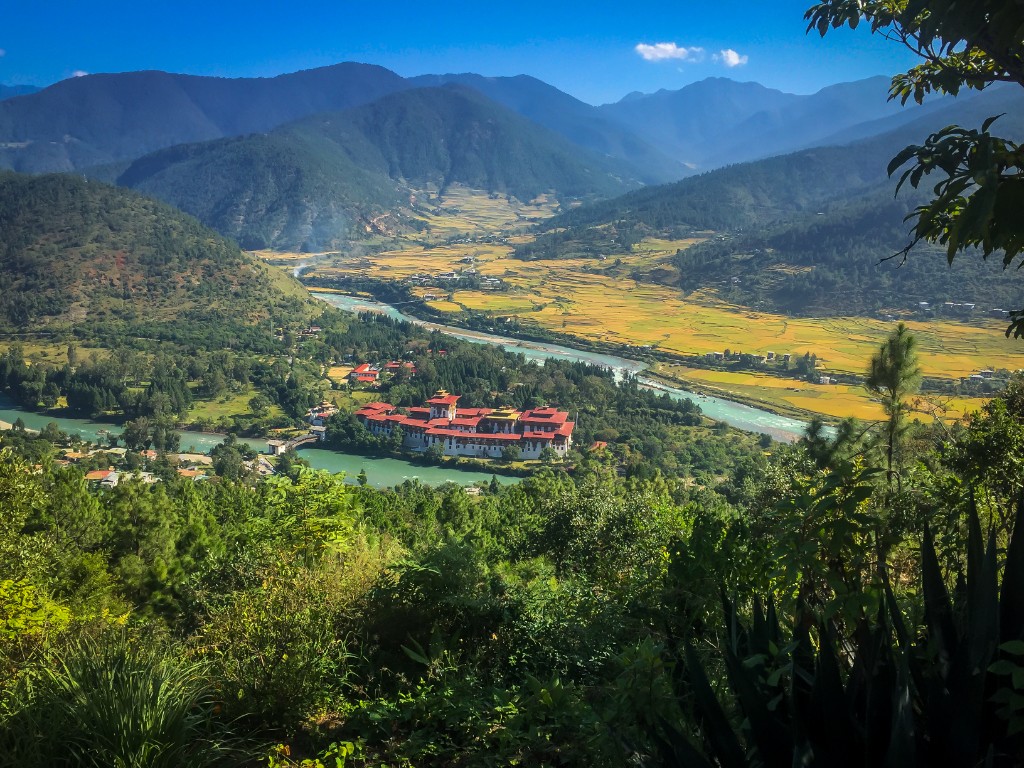
Embark on a memorable hike to the legendary Tiger’s Nest Monastery, dramatically perched on a cliff 900 meters above the Paro Valley floor. The round-trip hike takes approximately 4–5 hours, with breaks along the way.
According to legend, Guru Padmasambhava flew here on the back of a tigress and meditated in a cave, making this one of Bhutan’s most sacred pilgrimage sites.
Lunch will be served at a cafeteria overlooking the monastery (or after descending, depending on pace).
In the afternoon (time and energy permitting), continue with Paro sightseeing:
Relax in the evening and reflect on your Himalayan experience.
After breakfast, transfer to Paro International Airport for your onward flight.
Your guide and driver will assist with luggage and airport formalities, bid you a warm farewell, and wish you a safe and pleasant journey home—carrying with you cherished memories of the Land of the Thunder Dragon.
End of Tour. TASHI DELEK !!!
There are 19 languages spoken in Bhutan, but the national language is Dzongkha. English is used throughout Bhutan’s education system, so it is widely used and understood.
Bhutan is a year-round destination. There are four seasons: summer (June to August), autumn (September to November), winter (December to February) and spring (March to May). But because of the range of altitudes in the country, and the influence of the north Indian monsoons, the climate is incredibly varied.
In the south, the humid, subtropical climate is fairly consistent year-round, with temperatures between 15oC and 30oC. Central Bhutan, with its temperate forests, has a more seasonal climate, with warm summers and cool, dry winters. The northern regions are much colder during winter. Because of the high altitude, mountain peaks are snowy year-round and the lower reaches remain cool in summer.
In summer, the Indian monsoon season runs from late June or July to late September, mostly affecting the southern regions. Most farming activities take place in the summer, when crops thrive in verdant landscapes.
Autumn, from late September or early October to late November, follows the rainy season. It is characterised by bright, sunny days and some early snowfall at higher elevations. It’s the season of feasts and festivals as farmers reap the fruits of their work.
From late November until March, the crisp, clear and sunny winter sets in, with frost throughout much of the country and snowfall common above elevations of 3,000 metres. The winter northeast monsoon brings gale-force winds at the highest altitudes through high mountain passes, giving Bhutan the name Drukyul, which means Land of the Thunder Dragon in Dzongkha (Bhutan’s national language).
Bhutan’s generally dry spring starts in early March and lasts until mid-April. It is a botanist’s delight, with nature in full bloom. Summer weather commences in mid-April with occasional showers and continues to late June.
Visitors of all nationalities, except those from India, require a visa before entering Bhutan. For all visitors, except those from Bangladesh and the Maldives, this visa must be applied for and approved in advance of travel. Visitors from Bangladesh and the Maldives also require a visa, but this can be applied for and approved either in advance of travel or upon arrival in Bhutan.
Visitors from India are able to apply for a permit but are required to hold an Indian passport or an Indian voter ID card. For Indian nationals under the age of 18, a passport or a birth certificate can be used to enter and they must be accompanied by a legal guardian.
Nationals from Switzerland and Thailand holding diplomatic or government-official passports are eligible for a visa at their port of entry.
No, there are no restricted nationalities in Bhutan.
The Sustainable Development Fee (SDF) is a daily levy paid by visitors to support Bhutan’s development. Since the kingdom first opened its doors in 1974, guests have played a critical role in our country’s growth.
The SDF is collected by the national exchequer and funds are allocated to various projects that create long-term, sustainable opportunities for the Bhutanese people, through free healthcare, education and training, upskilling the tourism and hospitality industry, improved infrastructure, environmental preservation and conservation, cultural preservation programmes and initiatives that support local businesses and economies. The SDF is also a vital means of maintaining the exceptional forest cover and carbon-neutrality for which our small nation is world-renowned and globally critical. The SDF also helps us to ensure that we can continue to offer guests tranquillity and an intimate experience.
The SDF is USD 100 per night for adults from all countries except for India. Children aged between 6 years and who have not yet turned 12 are eligible to pay USD 50 per night. Children who have not yet turned 6 years old do not have to pay any SDF.
The SDF for Indian nationals (showing a valid Indian passport or Voter ID card) is Nu. 1,200 (or the equivalent amount in Indian rupees) per person, per night. Children aged between 6 years and who have not yet turned 12 are eligible to pay Nu./INR 600 per night. Children who have not yet turned 6 years old do not have to pay any SDF.
You may bring cash equivalent to US$10,000 into the country.

Member Since 2025