8 days
Daily Tour
Unlimited
___
“Journey to Bhutan’s Future, Rooted in Timeless Wisdom.”
A Conscious Expedition Across Bhutan | 8 Days / 7 Nights
Gelephu Mindfulness City (GMC) is Bhutan’s most visionary and transformative national initiative—an urban development rooted not merely in infrastructure, but in conscious living, sustainability, and inner wellbeing. Conceived under the guidance of His Majesty The King, GMC represents Bhutan’s bold step into the future while remaining deeply anchored in its spiritual and ecological values.
Strategically located in southern Bhutan, near the Indian border, GMC is envisioned as Asia’s emerging gateway city—a nexus of mindfulness, green finance, education, healthcare, innovation, and spiritual wisdom. Unlike conventional financial or smart cities, GMC is founded on Bhutan’s philosophy of Gross National Happiness, blending modern economic vitality with contemplative traditions, nature preservation, and ethical governance.
Planned as a carbon-negative, climate-resilient, and nature-integrated city, GMC will host international financial institutions, research centers, wellness retreats, monasteries, and green mobility corridors. It is designed to attract global thinkers, investors, spiritual seekers, and conscious travelers—making it not only a financial hub, but a global center for mindful civilization.
For travelers, visiting Gelephu today is to witness the birthplace of Bhutan’s future—a rare opportunity to experience a place where ancient wisdom is actively shaping tomorrow’s world.
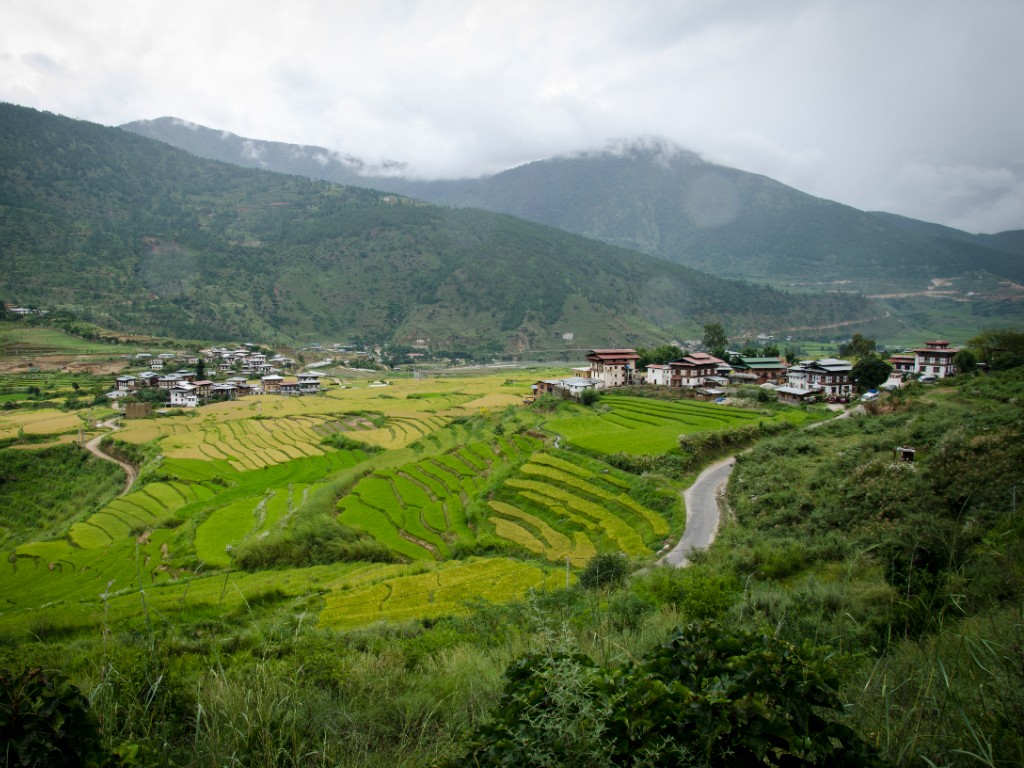
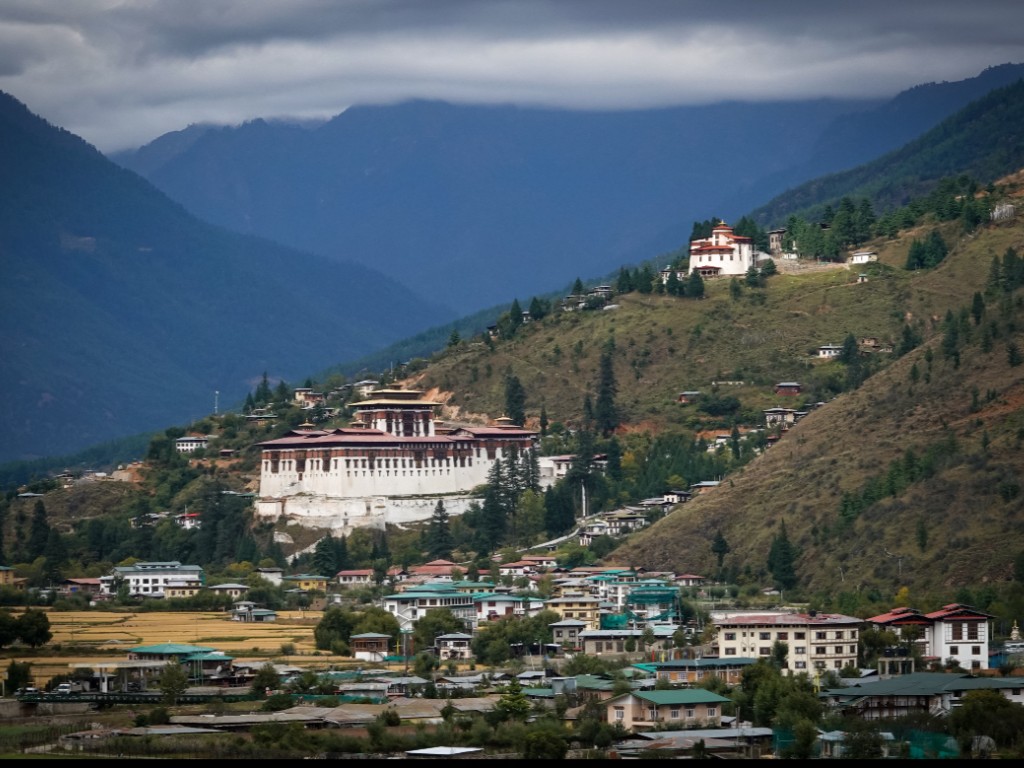
Upon arrival at Paro International Airport—one of the world’s most dramatic Himalayan landings—you are warmly welcomed by your Bhutanese guide. The journey to Thimphu unfolds along the emerald valley of the Paro Chhu, gradually merging with the Wang Chhu River. En route, terraced fields, traditional farmhouses, prayer flags, and forested hills offer a gentle introduction to Bhutan’s serene rhythm.
Afternoon at leisure to acclimatize, stroll through the capital, or simply absorb the peaceful mountain atmosphere.
Overnight in Thimphu.
A full day exploring Bhutan’s vibrant yet unhurried capital:
Overnight in Thimphu.
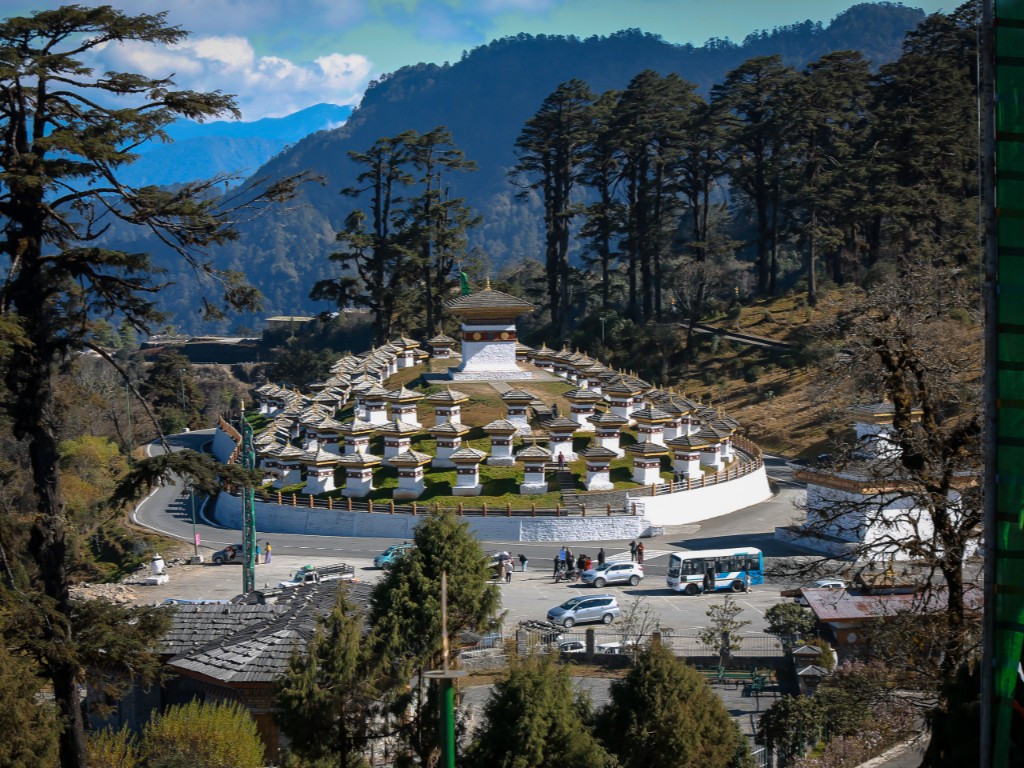
Drive across the breathtaking Dochula Pass (3,100m), where 108 chortens stand against sweeping Himalayan vistas. On clear days, snow-capped peaks line the horizon—an unforgettable moment of stillness and grandeur.
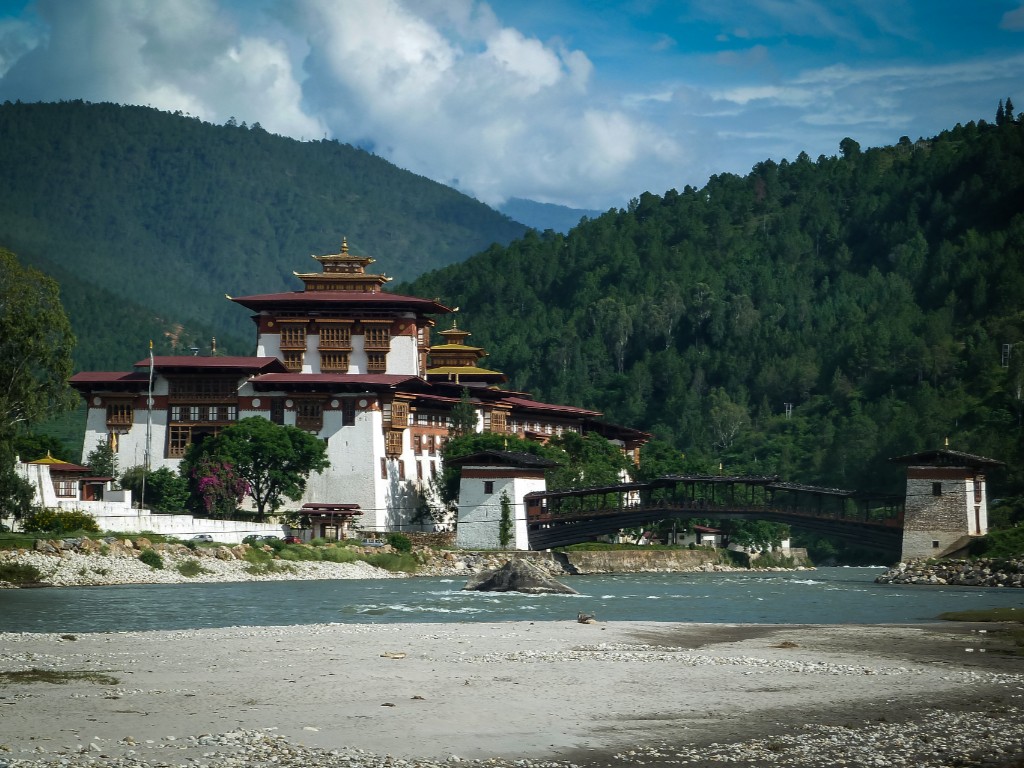
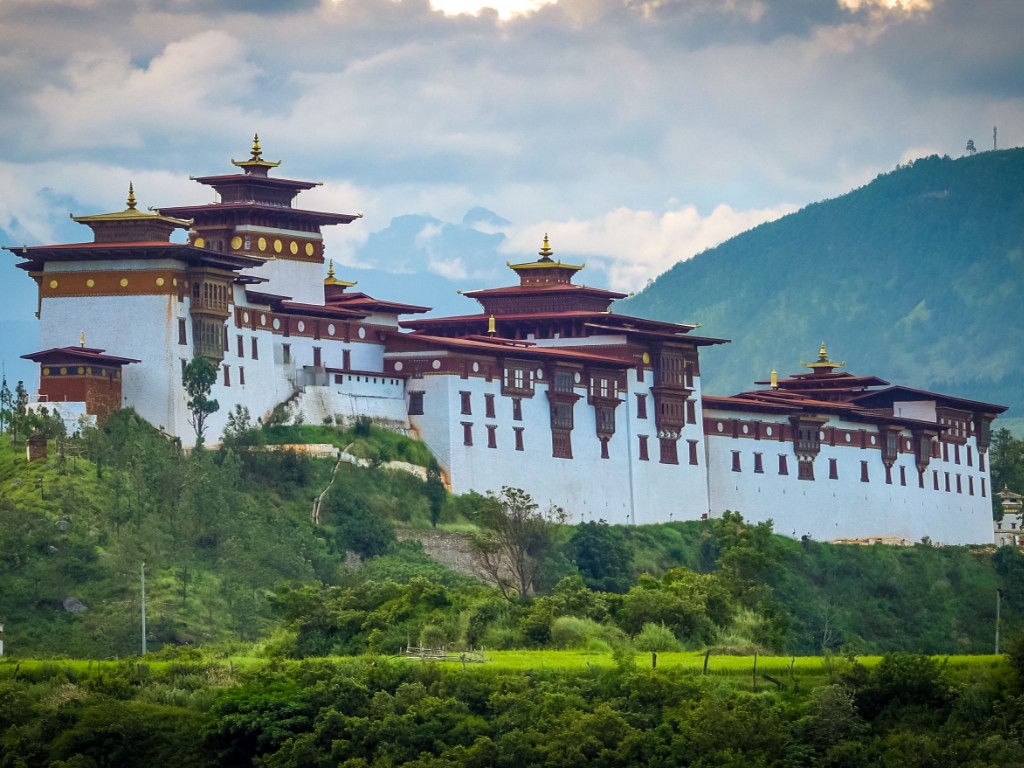
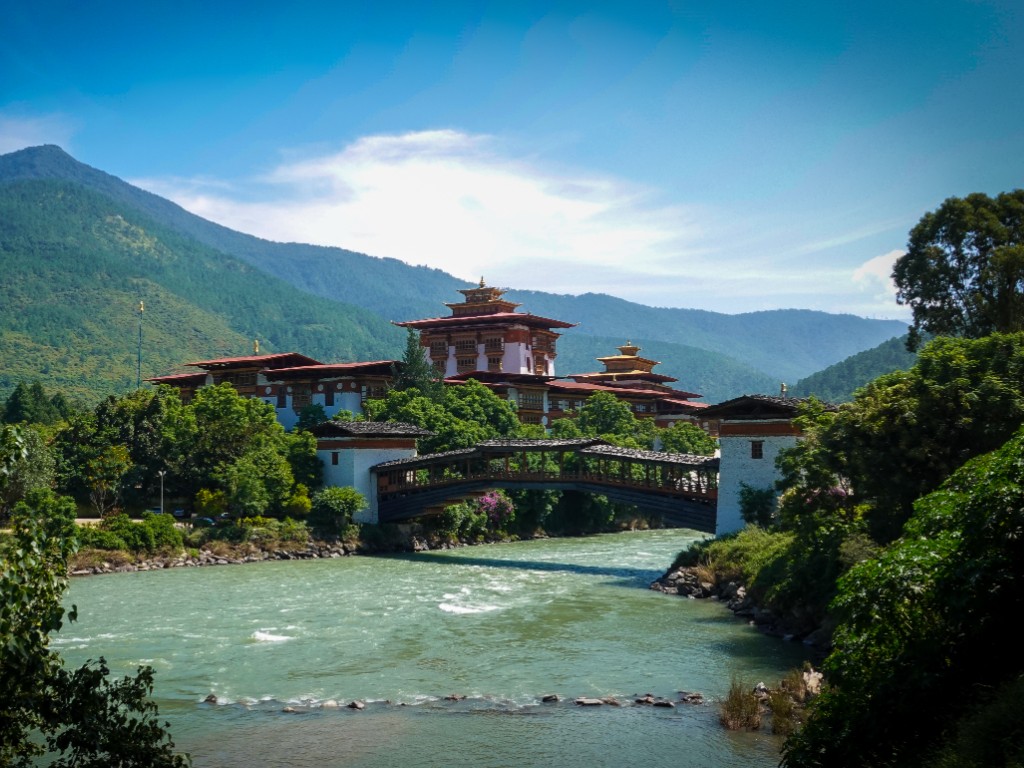
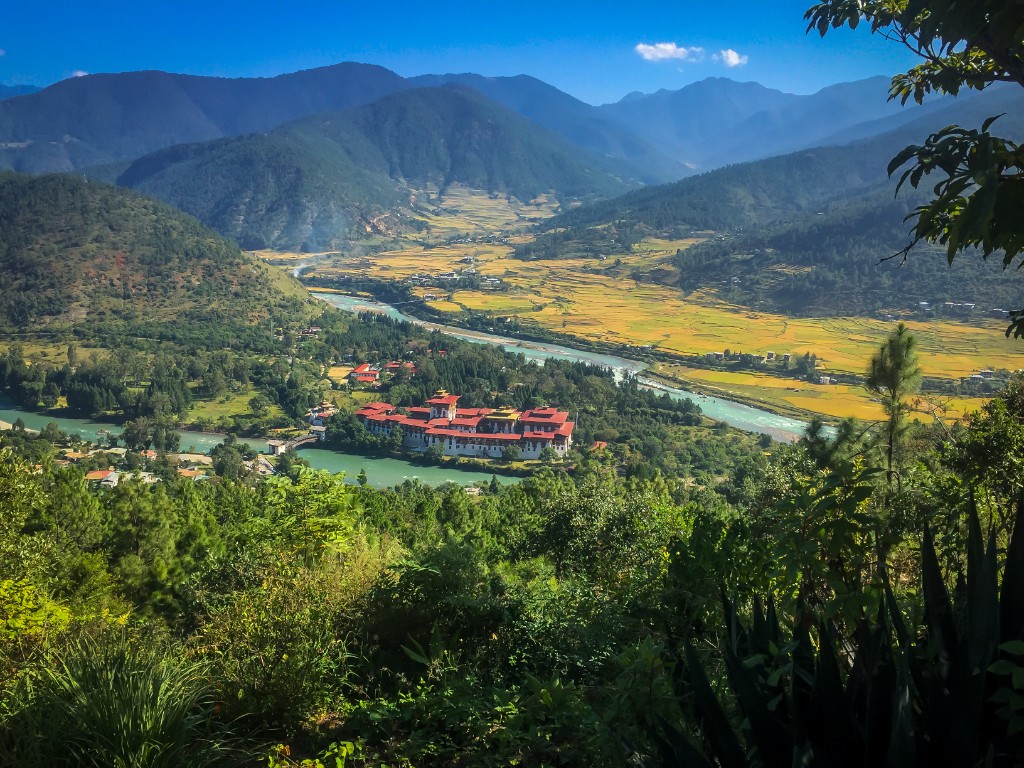
Descend into the warmer Punakha Valley to visit:
Overnight in Punakha.
Today’s journey follows a less-traveled and authentic route, offering rare insight into Bhutan’s evolving landscape. Drive along the Punatsangchhu valley, passing the monumental Punatsangchhu Hydropower Projects I & II, symbols of Bhutan’s sustainable energy vision.
Visit the White-bellied Heron Information Center, dedicated to conserving one of the world’s rarest birds. Continue to Damphu, the peaceful administrative center of Tsirang, surrounded by orchards, gentle hills, and subtropical greenery.
Overnight in Damphu.
Descend gradually into Bhutan’s southern plains, where landscapes transform dramatically. The route winds through forests and rivers, crossing Dara Chhu, passing through Sarpang, and entering the lush lowlands of Gelephu.
After lunch, explore:
Overnight in Gelephu.
A day dedicated to Bhutan’s holistic wisdom:
Overnight in Gelephu.
Experience Bhutan’s scenic domestic flight back to Paro—a rare aerial perspective of valleys, rivers, and mountains, symbolizing a return from Bhutan’s future to its sacred origins.
Overnight in Paro.
After breakfast, transfer to the airport for your onward journey—departing with not just memories, but a deeper understanding of Bhutan’s past, present, and mindful future.
TASHI DELEK!
There are 19 languages spoken in Bhutan, but the national language is Dzongkha. English is used throughout Bhutan’s education system, so it is widely used and understood.
Bhutan is a year-round destination. There are four seasons: summer (June to August), autumn (September to November), winter (December to February) and spring (March to May). But because of the range of altitudes in the country, and the influence of the north Indian monsoons, the climate is incredibly varied.
In the south, the humid, subtropical climate is fairly consistent year-round, with temperatures between 15oC and 30oC. Central Bhutan, with its temperate forests, has a more seasonal climate, with warm summers and cool, dry winters. The northern regions are much colder during winter. Because of the high altitude, mountain peaks are snowy year-round and the lower reaches remain cool in summer.
In summer, the Indian monsoon season runs from late June or July to late September, mostly affecting the southern regions. Most farming activities take place in the summer, when crops thrive in verdant landscapes.
Autumn, from late September or early October to late November, follows the rainy season. It is characterised by bright, sunny days and some early snowfall at higher elevations. It’s the season of feasts and festivals as farmers reap the fruits of their work.
From late November until March, the crisp, clear and sunny winter sets in, with frost throughout much of the country and snowfall common above elevations of 3,000 metres. The winter northeast monsoon brings gale-force winds at the highest altitudes through high mountain passes, giving Bhutan the name Drukyul, which means Land of the Thunder Dragon in Dzongkha (Bhutan’s national language).
Bhutan’s generally dry spring starts in early March and lasts until mid-April. It is a botanist’s delight, with nature in full bloom. Summer weather commences in mid-April with occasional showers and continues to late June.
Visitors of all nationalities, except those from India, require a visa before entering Bhutan. For all visitors, except those from Bangladesh and the Maldives, this visa must be applied for and approved in advance of travel. Visitors from Bangladesh and the Maldives also require a visa, but this can be applied for and approved either in advance of travel or upon arrival in Bhutan.
Visitors from India are able to apply for a permit but are required to hold an Indian passport or an Indian voter ID card. For Indian nationals under the age of 18, a passport or a birth certificate can be used to enter and they must be accompanied by a legal guardian.
Nationals from Switzerland and Thailand holding diplomatic or government-official passports are eligible for a visa at their port of entry.
No, there are no restricted nationalities in Bhutan.
The Sustainable Development Fee (SDF) is a daily levy paid by visitors to support Bhutan’s development. Since the kingdom first opened its doors in 1974, guests have played a critical role in our country’s growth.
The SDF is collected by the national exchequer and funds are allocated to various projects that create long-term, sustainable opportunities for the Bhutanese people, through free healthcare, education and training, upskilling the tourism and hospitality industry, improved infrastructure, environmental preservation and conservation, cultural preservation programmes and initiatives that support local businesses and economies. The SDF is also a vital means of maintaining the exceptional forest cover and carbon-neutrality for which our small nation is world-renowned and globally critical. The SDF also helps us to ensure that we can continue to offer guests tranquillity and an intimate experience.
The SDF is USD 100 per night for adults from all countries except for India. Children aged between 6 years and who have not yet turned 12 are eligible to pay USD 50 per night. Children who have not yet turned 6 years old do not have to pay any SDF.
The SDF for Indian nationals (showing a valid Indian passport or Voter ID card) is Nu. 1,200 (or the equivalent amount in Indian rupees) per person, per night. Children aged between 6 years and who have not yet turned 12 are eligible to pay Nu./INR 600 per night. Children who have not yet turned 6 years old do not have to pay any SDF.
You may bring cash equivalent to US$10,000 into the country.

Member Since 2025