
12 days
Daily Tour
Unlimited
___
The Aman Kora Circuit is the ultimate expression of luxury travel in Bhutan, seamlessly connecting Aman’s five lodges across distinct valleys—from the western frontier to the spiritual heartland of central Bhutan. Designed for discerning travelers who seek privacy, authenticity, and profound cultural immersion, this journey unfolds at an unhurried pace, blending sacred landscapes, living traditions, and Aman’s signature understated elegance.
Distance: ~55 km
Drive Time: 1.5 hours
Elevation:
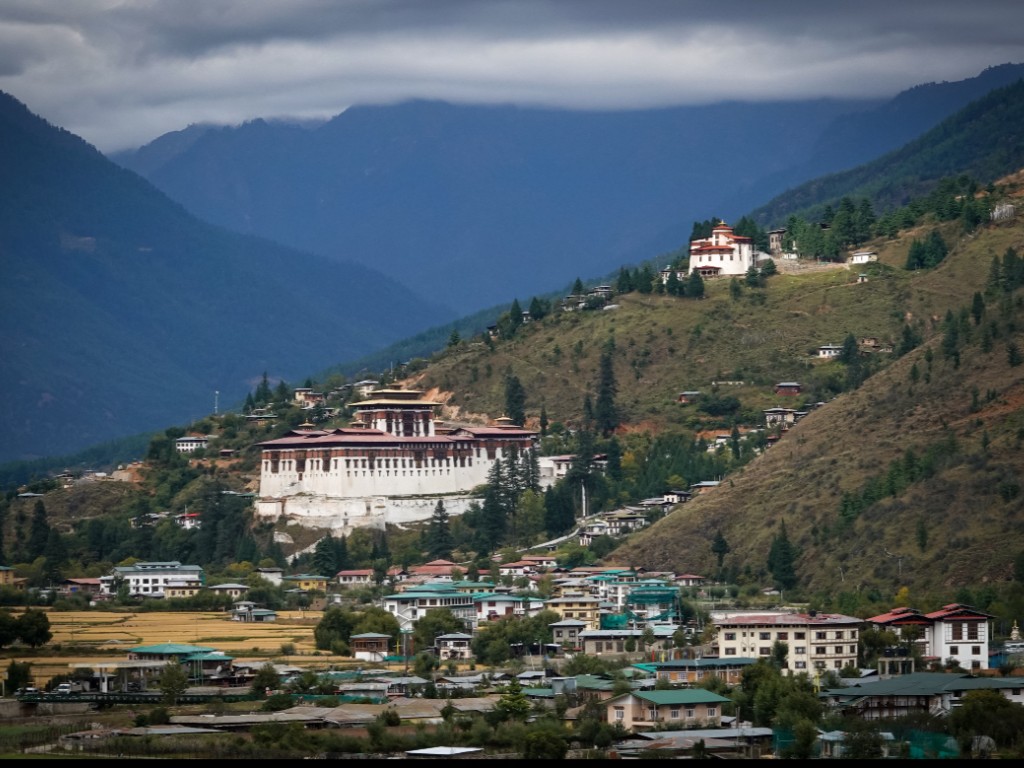
Upon arrival at Paro International Airport, one of the world’s most dramatic Himalayan gateways, you are warmly welcomed by your Bhutanese guide and chauffeur. The journey to Thimphu follows the emerald Paro and Thimphu rivers, passing traditional farmhouses, fluttering prayer flags, and terraced fields backed by pine-covered hills.
Arrive at Aman Kora Thimphu, an oasis of calm nestled within a pine forest.
Afternoon at leisure—unwind after your journey with a spa treatment, a gentle forest walk, or simply relax by the fireplace as the mountain air sets the tone for the days ahead.
Today offers a deep introduction to Bhutan’s living culture:
Return to Aman Kora for a refined evening at leisure.
Distance: ~75 km
Drive Time: 3 hours
Highest Point: Dochula Pass – 3,100 m
Punakha Elevation: 1,200 m
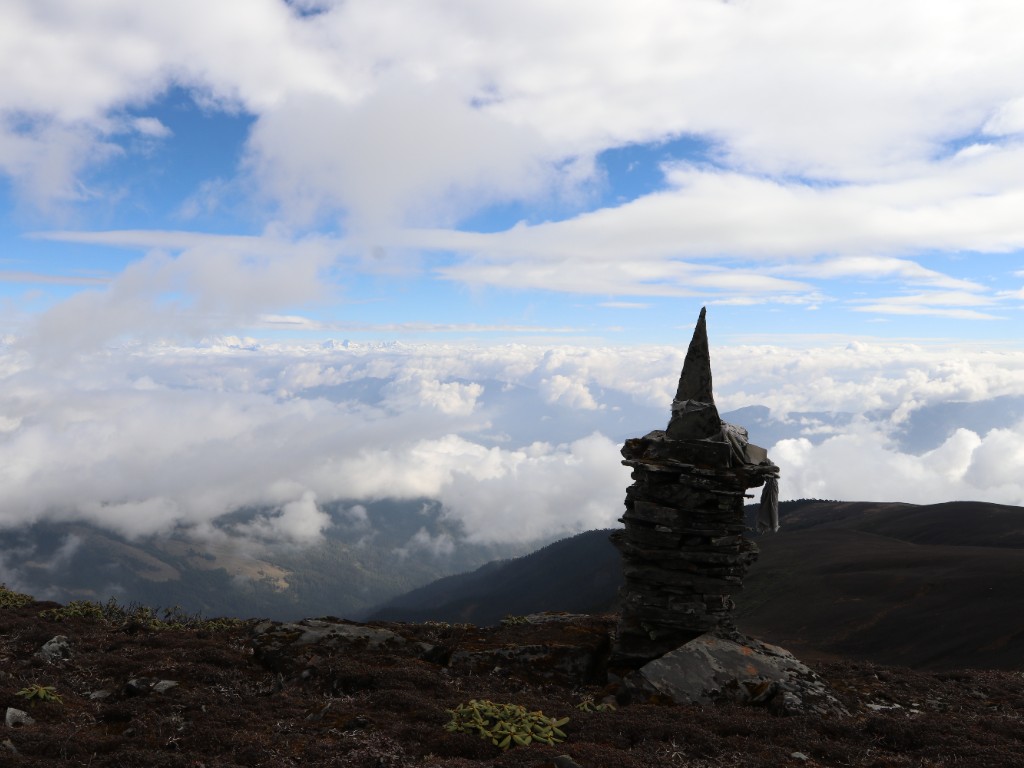
Ascend through mist-laden forests to the iconic Dochula Pass, adorned with 108 Druk Wangyal Chortens. On clear days, the pass reveals a breathtaking sweep of the eastern Himalayan range, including Bhutan’s highest peaks—an unforgettable moment of stillness and grandeur.
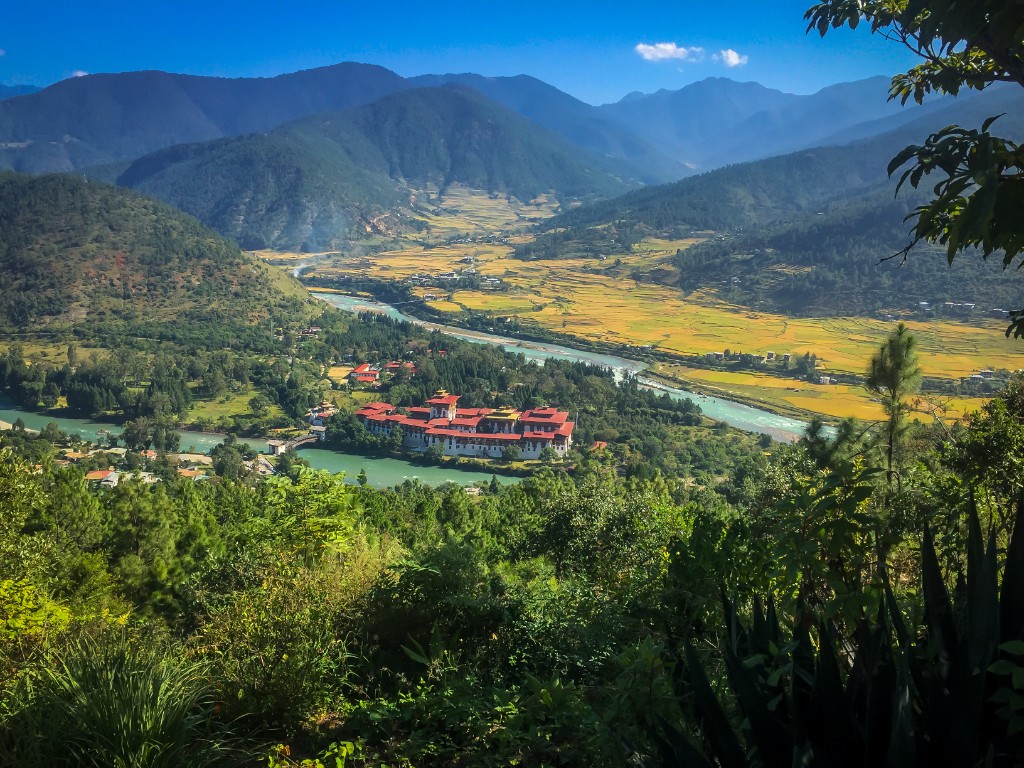
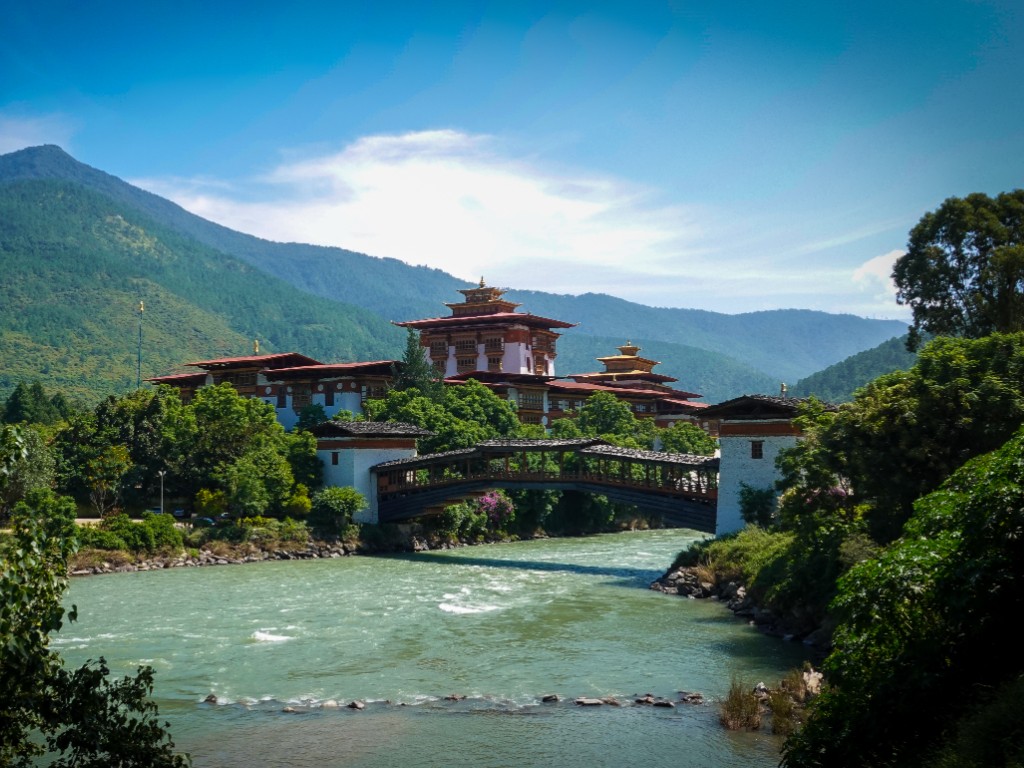
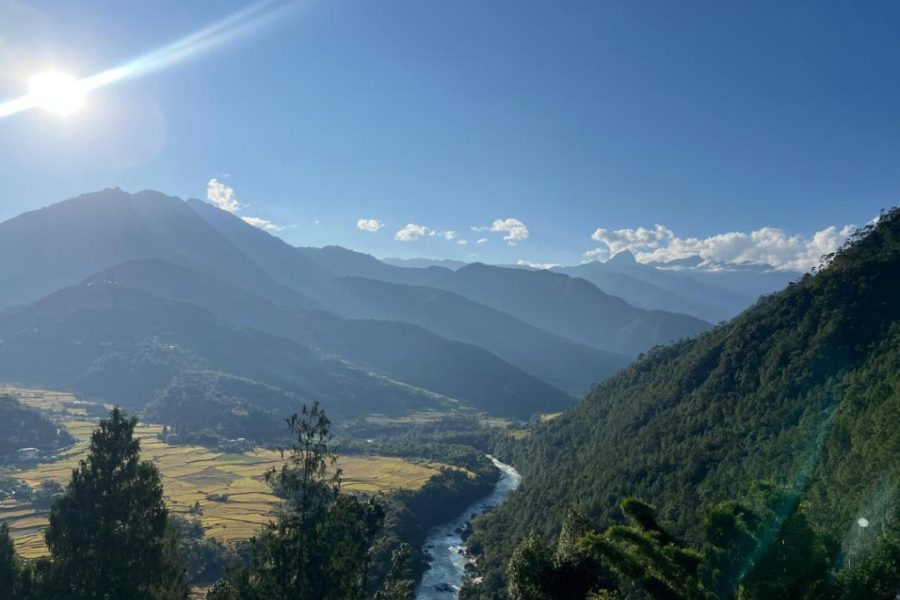
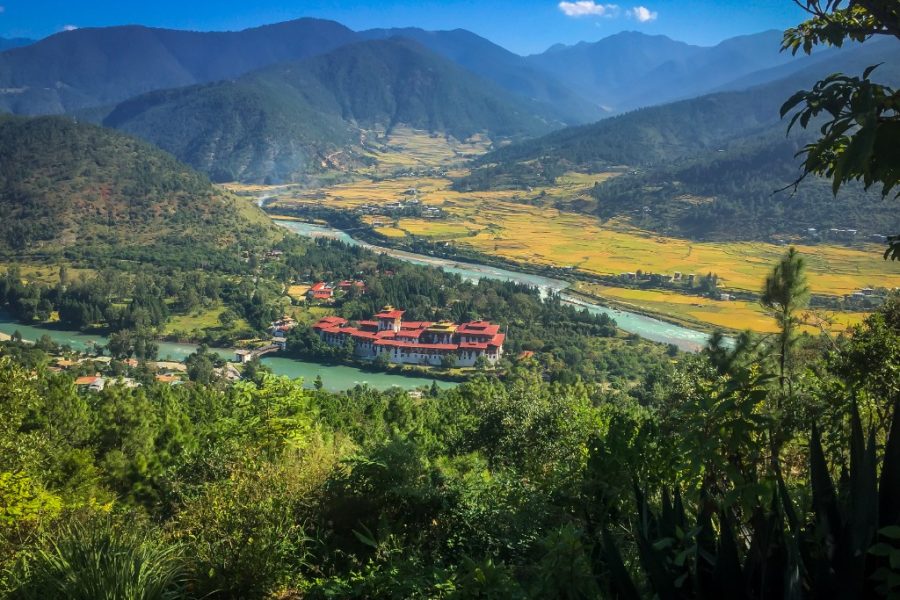
Descend into the subtropical Punakha Valley, once Bhutan’s winter capital.
Check in at Aman Kora Punakha, overlooking the Mo Chhu River, where warmer air and lush landscapes create a gentle contrast to the highlands.
Afternoon relaxation back at Aman Kora.
Distance: ~80 km
Drive Time: 3.5–4 hours
Elevation: Phobjikha – 2,900 m
Journey through winding mountain roads into the pristine Phobjikha Valley, a vast glacial bowl renowned for its untouched beauty and spiritual calm.
Settle into Aman Kora Gangtey, perfectly positioned above the valley, offering sweeping views and deep silence.
The remainder of the day is reserved for quiet reflection, spa rituals, or fireside conversations at Aman.
Distance: ~170 km
Drive Time: 6–7 hours
This is one of Bhutan’s most scenic journeys, crossing dense forests, deep gorges, and dramatic mountain passes.
Continue onward to the spiritual heartland of Bumthang, where four sacred valleys converge. Check in at Aman Kora Bumthang.
Enjoy a scenic domestic flight back to Paro, offering aerial views of deep valleys and snow-capped peaks.
Afternoon at leisure:
The highlight of any Bhutan journey:
Return to Aman for a well-earned rest.
Farewell Dinner at Aman, celebrating a journey of beauty, stillness, and transformation.
Transfer to Paro International Airport.
As your guide and driver bid you farewell:
“May the blessings of the Himalayas travel with you, and may the peace you found in Bhutan remain in your heart wherever life takes you.”
Tashi Delek.
There are 19 languages spoken in Bhutan, but the national language is Dzongkha. English is used throughout Bhutan’s education system, so it is widely used and understood.
Bhutan is a year-round destination. There are four seasons: summer (June to August), autumn (September to November), winter (December to February) and spring (March to May). But because of the range of altitudes in the country, and the influence of the north Indian monsoons, the climate is incredibly varied.
In the south, the humid, subtropical climate is fairly consistent year-round, with temperatures between 15oC and 30oC. Central Bhutan, with its temperate forests, has a more seasonal climate, with warm summers and cool, dry winters. The northern regions are much colder during winter. Because of the high altitude, mountain peaks are snowy year-round and the lower reaches remain cool in summer.
In summer, the Indian monsoon season runs from late June or July to late September, mostly affecting the southern regions. Most farming activities take place in the summer, when crops thrive in verdant landscapes.
Autumn, from late September or early October to late November, follows the rainy season. It is characterised by bright, sunny days and some early snowfall at higher elevations. It’s the season of feasts and festivals as farmers reap the fruits of their work.
From late November until March, the crisp, clear and sunny winter sets in, with frost throughout much of the country and snowfall common above elevations of 3,000 metres. The winter northeast monsoon brings gale-force winds at the highest altitudes through high mountain passes, giving Bhutan the name Drukyul, which means Land of the Thunder Dragon in Dzongkha (Bhutan’s national language).
Bhutan’s generally dry spring starts in early March and lasts until mid-April. It is a botanist’s delight, with nature in full bloom. Summer weather commences in mid-April with occasional showers and continues to late June.
Visitors of all nationalities, except those from India, require a visa before entering Bhutan. For all visitors, except those from Bangladesh and the Maldives, this visa must be applied for and approved in advance of travel. Visitors from Bangladesh and the Maldives also require a visa, but this can be applied for and approved either in advance of travel or upon arrival in Bhutan.
Visitors from India are able to apply for a permit but are required to hold an Indian passport or an Indian voter ID card. For Indian nationals under the age of 18, a passport or a birth certificate can be used to enter and they must be accompanied by a legal guardian.
Nationals from Switzerland and Thailand holding diplomatic or government-official passports are eligible for a visa at their port of entry.
No, there are no restricted nationalities in Bhutan.
The Sustainable Development Fee (SDF) is a daily levy paid by visitors to support Bhutan’s development. Since the kingdom first opened its doors in 1974, guests have played a critical role in our country’s growth.
The SDF is collected by the national exchequer and funds are allocated to various projects that create long-term, sustainable opportunities for the Bhutanese people, through free healthcare, education and training, upskilling the tourism and hospitality industry, improved infrastructure, environmental preservation and conservation, cultural preservation programmes and initiatives that support local businesses and economies. The SDF is also a vital means of maintaining the exceptional forest cover and carbon-neutrality for which our small nation is world-renowned and globally critical. The SDF also helps us to ensure that we can continue to offer guests tranquillity and an intimate experience.
The SDF is USD 100 per night for adults from all countries except for India. Children aged between 6 years and who have not yet turned 12 are eligible to pay USD 50 per night. Children who have not yet turned 6 years old do not have to pay any SDF.
The SDF for Indian nationals (showing a valid Indian passport or Voter ID card) is Nu. 1,200 (or the equivalent amount in Indian rupees) per person, per night. Children aged between 6 years and who have not yet turned 12 are eligible to pay Nu./INR 600 per night. Children who have not yet turned 6 years old do not have to pay any SDF.
You may bring cash equivalent to US$10,000 into the country.

Member Since 2025