12 days
Daily Tour
Unlimited
___
Duration: 12 Nights / 13 Days
Destinations: Paro – Thimphu – Haa – Tshona Pata Trek – Paro
Best Season: April–June & September–October
Difficulty: Moderate
Max Altitude: approx. 4,200 m
Tshona Pata Trek – Overview
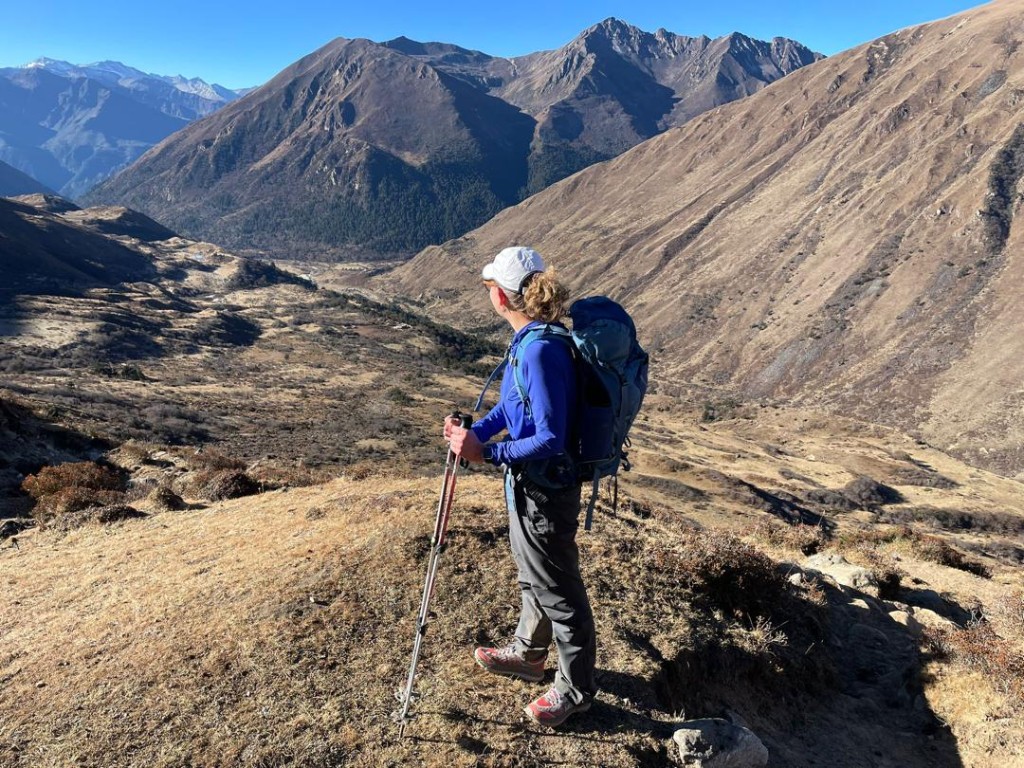
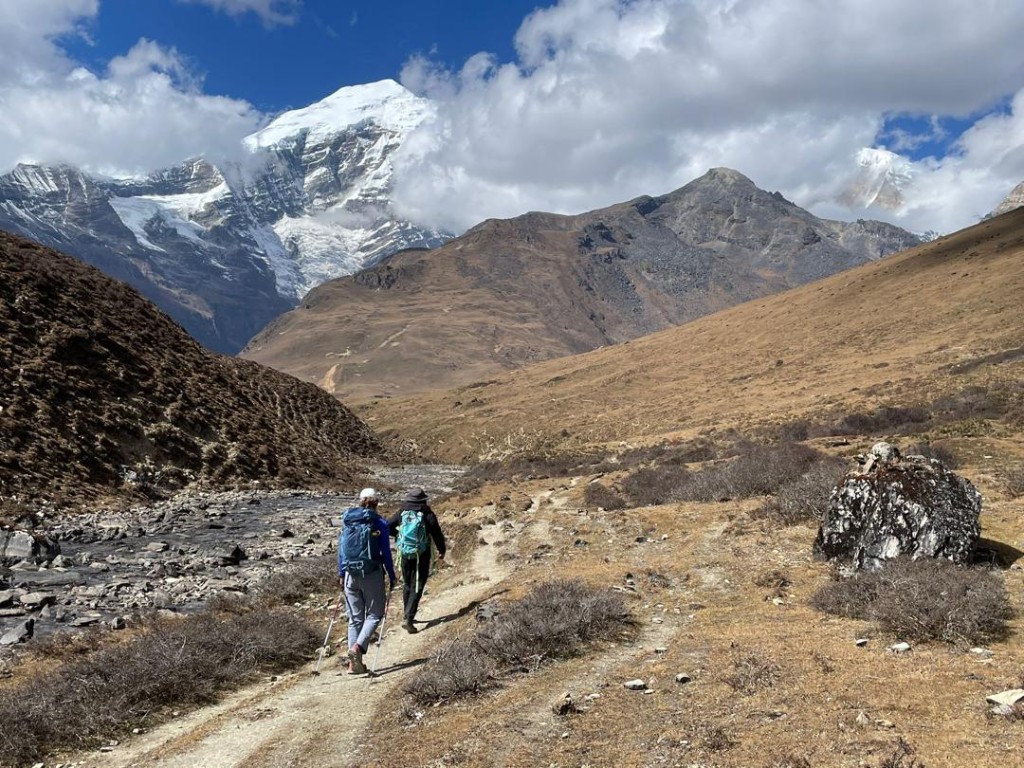
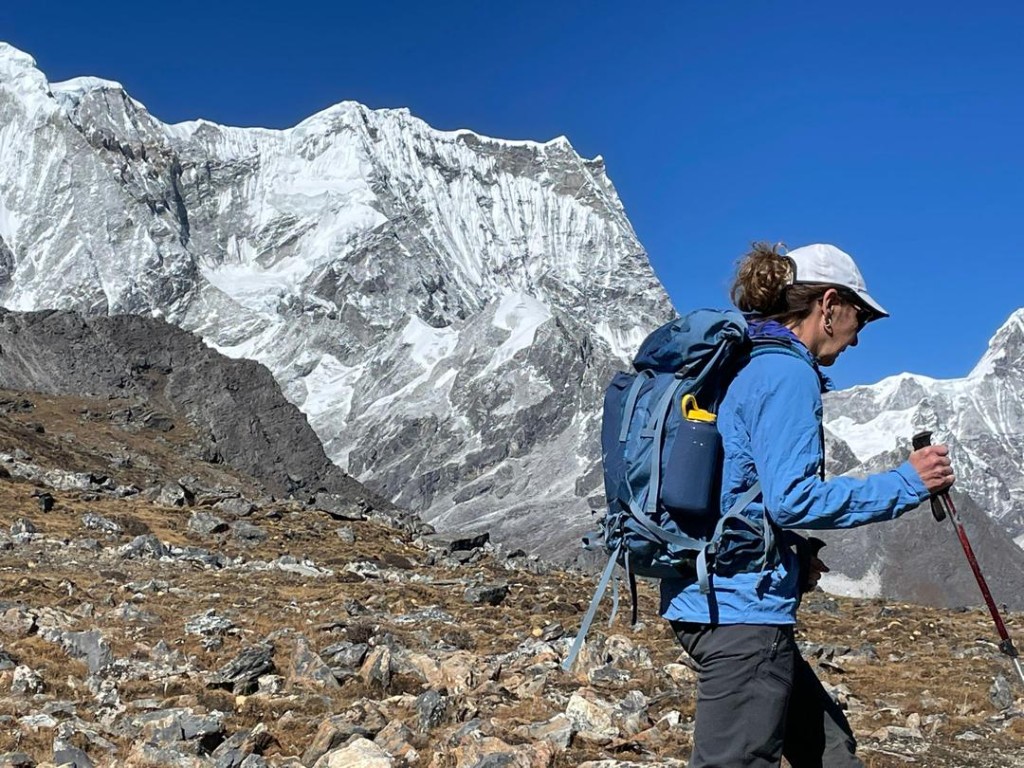
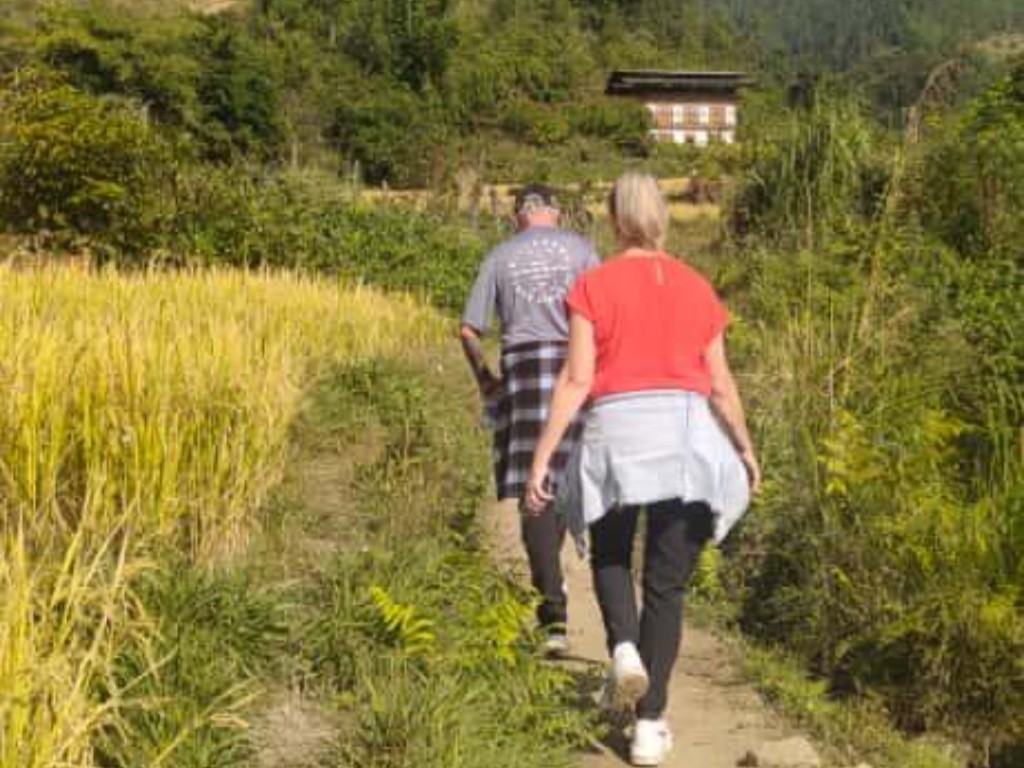
The Tshona Pata Trek is a hidden Himalayan gem in western Bhutan, offering a rare, off-the-beaten-path trekking experience above the serene Haa Valley. This short yet rewarding trek leads travelers through lush rhododendron forests, vast alpine meadows, and traditional yak-grazing highlands, where nature remains untouched and crowds are nonexistent.
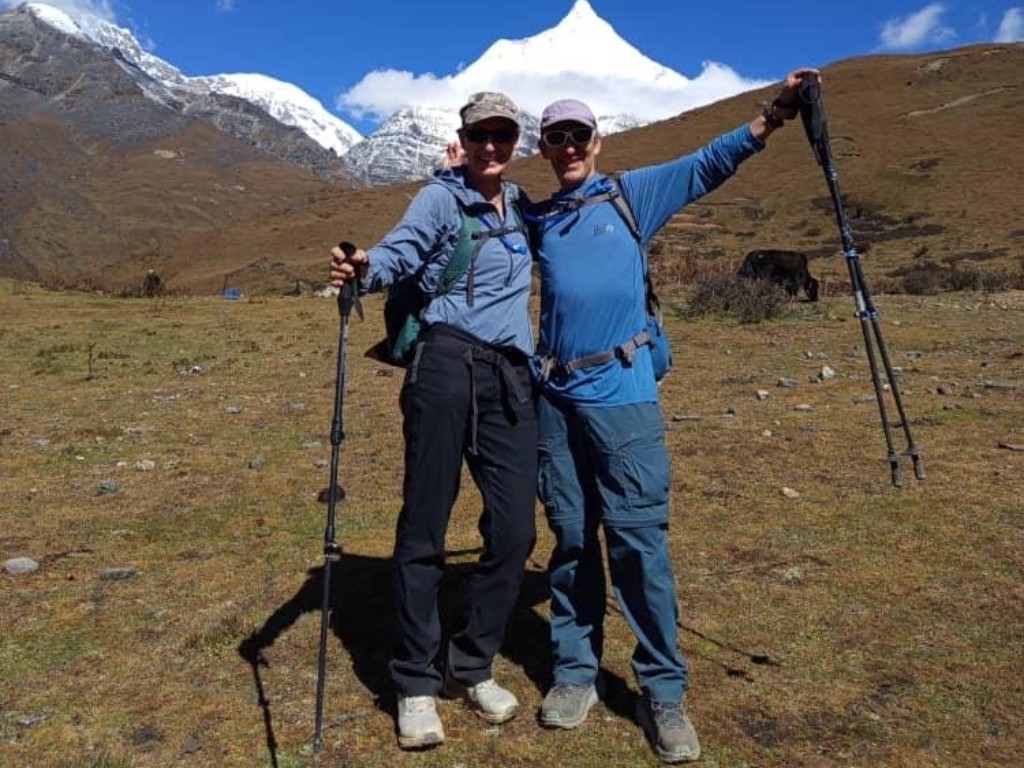
Perfect for both first-time trekkers and seasoned hikers, Tshona Pata combines moderate walking, high-altitude beauty, and cultural authenticity. With breathtaking mountain vistas, encounters with nomadic yak herders, and nights under crystal-clear Himalayan skies, the trek delivers an intimate connection with Bhutan’s pristine wilderness.
When paired with cultural sightseeing in Paro, Thimphu, and Haa, the Tshona Pata Trek becomes an ideal blend of adventure, comfort, and discovery—a truly memorable journey into the heart of the Last Shangri-La.
Ideal for nature lovers, photographers, and travelers seeking authentic Bhutan beyond the usual routes.
Overnight: Paro
Arrive at Paro International Airport, one of the world’s most spectacular mountain landings. After visa formalities, you will be warmly welcomed by your Bhutanese guide and driver.
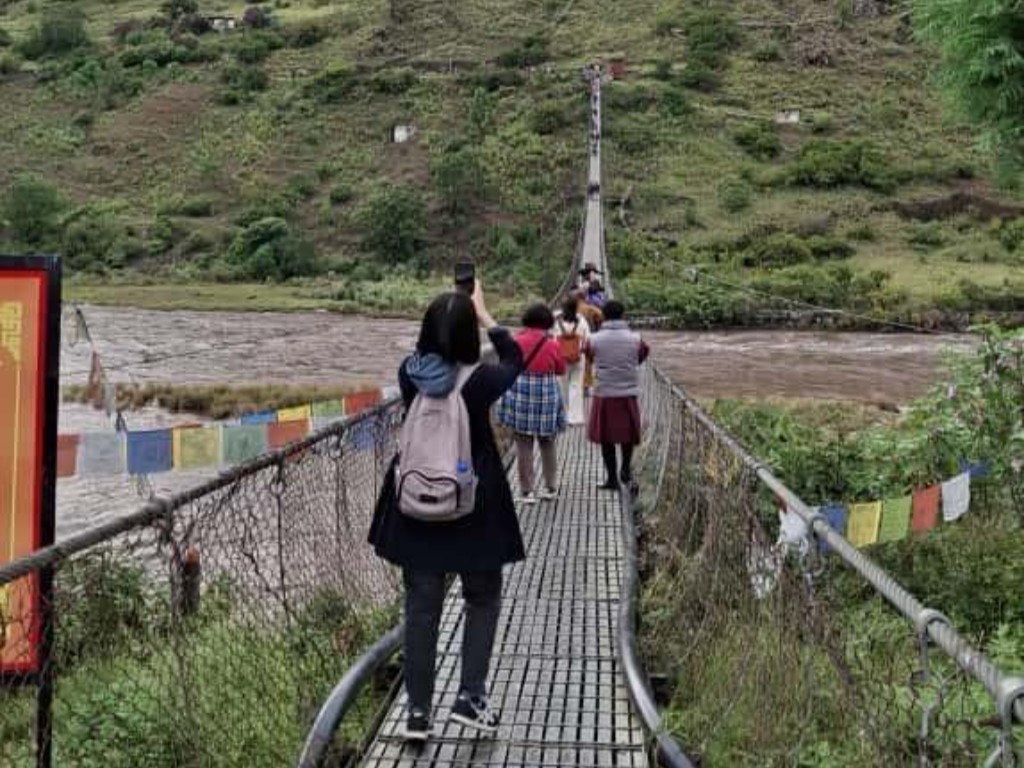
Transfer to your hotel and enjoy a relaxed afternoon to acclimatize. Depending on arrival time, take a gentle walk around Paro town, visit local handicraft shops, or simply enjoy the peaceful Himalayan surroundings.
Overnight: Paro
Begin your Bhutan journey with cultural exploration:
This day helps you adjust comfortably before heading to higher regions.
Overnight: Thimphu
Drive to Bhutan’s capital city, Thimphu, following the Paro River.
Sightseeing includes:
Evening stroll through Thimphu town for cafes, handicrafts, and local life.
Overnight: Thimphu
A full day to explore Bhutan’s unique capital:
Thimphu beautifully blends tradition with modern Bhutanese life.
Overnight: Haa
Drive across the scenic Chele La Pass (3,988 m), the highest motorable pass in Bhutan, offering stunning views of Mt. Jomolhari on clear days.
Descend into the remote and pristine Haa Valley, one of Bhutan’s least visited regions.
Visit:
Enjoy the tranquility of this traditional valley, perfect for trek preparation.
Overnight: Camp
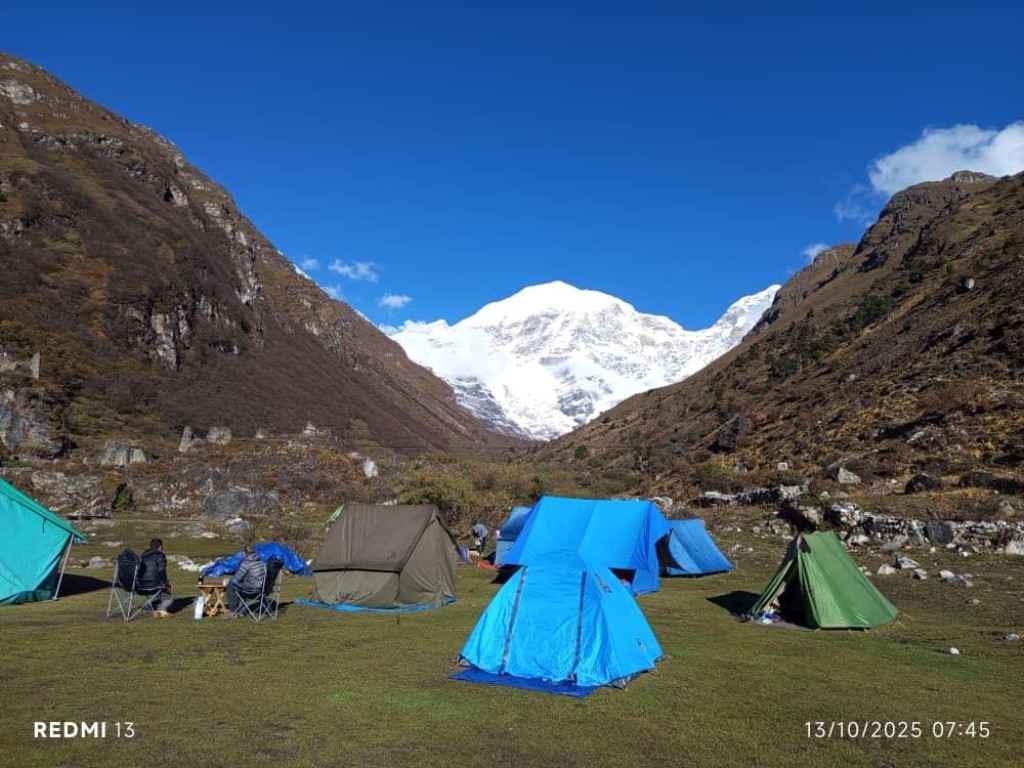
Drive from Haa to Damthang, the trek starting point. Meet your trekking crew and begin the ascent through forests of rhododendron and alpine vegetation.
Gradually climb towards Tshona Pata, a beautiful yak-grazing plateau surrounded by rolling hills and pristine wilderness.
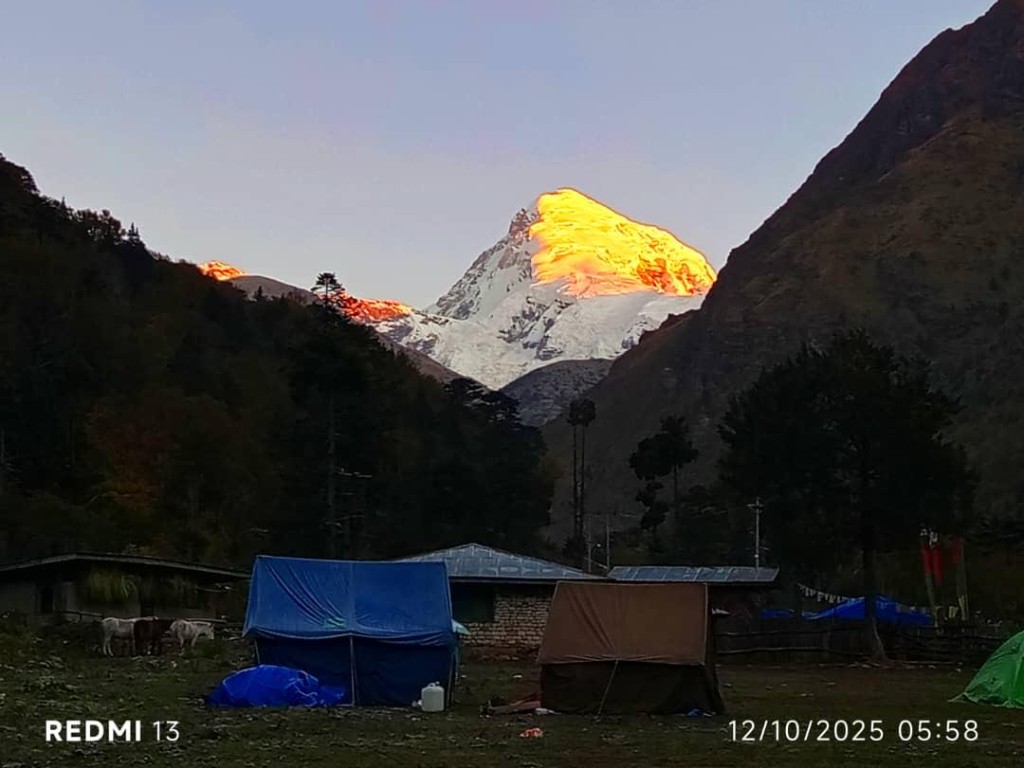
Camp near yak herder settlements under clear Himalayan skies.
Overnight: Camp
A full day to explore the Tshona Pata region:
This day allows proper acclimatization and immersion in Bhutan’s untouched highlands.
Overnight: Camp / Guesthouse
Descend gradually, retracing your route through serene landscapes and forests.
Conclude the trek at Damthang, marking the end of this rare and rewarding Himalayan adventure.
Overnight: Paro
Drive back to Paro via Chele La Pass. Enjoy final mountain views and celebrate the successful completion of the trek.
Evening at leisure to relax, spa, or explore Paro town.
Overnight: Paro
A highlight of any Bhutan journey:
After the hike, enjoy a well-deserved rest and farewell dinner.
Overnight: Paro
A flexible day for:
Ideal buffer day before departure.
Transfer to Paro International Airport for your onward flight, carrying unforgettable memories of Bhutan’s culture, wilderness, and sacred landscapes.
Tashi Delek!
There are 19 languages spoken in Bhutan, but the national language is Dzongkha. English is used throughout Bhutan’s education system, so it is widely used and understood.
Bhutan is a year-round destination. There are four seasons: summer (June to August), autumn (September to November), winter (December to February) and spring (March to May). But because of the range of altitudes in the country, and the influence of the north Indian monsoons, the climate is incredibly varied.
In the south, the humid, subtropical climate is fairly consistent year-round, with temperatures between 15oC and 30oC. Central Bhutan, with its temperate forests, has a more seasonal climate, with warm summers and cool, dry winters. The northern regions are much colder during winter. Because of the high altitude, mountain peaks are snowy year-round and the lower reaches remain cool in summer.
In summer, the Indian monsoon season runs from late June or July to late September, mostly affecting the southern regions. Most farming activities take place in the summer, when crops thrive in verdant landscapes.
Autumn, from late September or early October to late November, follows the rainy season. It is characterised by bright, sunny days and some early snowfall at higher elevations. It’s the season of feasts and festivals as farmers reap the fruits of their work.
From late November until March, the crisp, clear and sunny winter sets in, with frost throughout much of the country and snowfall common above elevations of 3,000 metres. The winter northeast monsoon brings gale-force winds at the highest altitudes through high mountain passes, giving Bhutan the name Drukyul, which means Land of the Thunder Dragon in Dzongkha (Bhutan’s national language).
Bhutan’s generally dry spring starts in early March and lasts until mid-April. It is a botanist’s delight, with nature in full bloom. Summer weather commences in mid-April with occasional showers and continues to late June.
Visitors of all nationalities, except those from India, require a visa before entering Bhutan. For all visitors, except those from Bangladesh and the Maldives, this visa must be applied for and approved in advance of travel. Visitors from Bangladesh and the Maldives also require a visa, but this can be applied for and approved either in advance of travel or upon arrival in Bhutan.
Visitors from India are able to apply for a permit but are required to hold an Indian passport or an Indian voter ID card. For Indian nationals under the age of 18, a passport or a birth certificate can be used to enter and they must be accompanied by a legal guardian.
Nationals from Switzerland and Thailand holding diplomatic or government-official passports are eligible for a visa at their port of entry.
No, there are no restricted nationalities in Bhutan.
The Sustainable Development Fee (SDF) is a daily levy paid by visitors to support Bhutan’s development. Since the kingdom first opened its doors in 1974, guests have played a critical role in our country’s growth.
The SDF is collected by the national exchequer and funds are allocated to various projects that create long-term, sustainable opportunities for the Bhutanese people, through free healthcare, education and training, upskilling the tourism and hospitality industry, improved infrastructure, environmental preservation and conservation, cultural preservation programmes and initiatives that support local businesses and economies. The SDF is also a vital means of maintaining the exceptional forest cover and carbon-neutrality for which our small nation is world-renowned and globally critical. The SDF also helps us to ensure that we can continue to offer guests tranquillity and an intimate experience.
The SDF is USD 100 per night for adults from all countries except for India. Children aged between 6 years and who have not yet turned 12 are eligible to pay USD 50 per night. Children who have not yet turned 6 years old do not have to pay any SDF.
The SDF for Indian nationals (showing a valid Indian passport or Voter ID card) is Nu. 1,200 (or the equivalent amount in Indian rupees) per person, per night. Children aged between 6 years and who have not yet turned 12 are eligible to pay Nu./INR 600 per night. Children who have not yet turned 6 years old do not have to pay any SDF.
You may bring cash equivalent to US$10,000 into the country.

Member Since 2025