10 days
Daily Tour
Unlimited
___
An Ultra-Luxury Journey through Bhutan’s Spiritual Heartlands
Thimphu – Punakha – Phobjikha – Paro | 9 Nights / 10 Days
A thoughtfully choreographed journey through Bhutan’s most inspiring valleys, this ultra-luxury itinerary blends timeless culture, profound spirituality, pristine landscapes, and discreet indulgence. Stay at the country’s most exclusive lodges while traveling at an unhurried pace, guided by private experts and enriched with meaningful encounters.
Absolutely! I’ve restructured the itinerary to match your new sequence while keeping all luxury elements, lodges, and experiences intact. Now the Tiger’s Nest hike is on Day 9, the day before departure, making your last day more relaxed.
Overnight: Aman Kora, Thimphu
Arrive at Paro International Airport and be greeted by your private guide. Drive through pine forests and river valleys to Bhutan’s capital, Thimphu. Settle into the serene elegance of Aman Kora Thimphu. Evening at leisure with a curated welcome dinner.
Overnight: Aman Kora, Thimphu
Explore Bhutan’s cultural heart:
Buddha Dordenma – sweeping valley views
Memorial Chorten – spiritual center of Thimphu
Folk Heritage Museum – traditional lifestyle
Tashichho Dzong – royal and monastic seat
Optional private monk audience or artisan visit. Evening fireside dinner at Aman Kora.
Overnight: &Beyond Punakha River Lodge
Drive via Dochula Pass (3,100 m) with Himalayan panoramas into the lush Punakha Valley. Afternoon at leisure at &Beyond Punakha River Lodge—spa, riverside walk, or infinity pool. Evening gourmet dining.
Overnight: &Beyond Punakha River Lodge
Discover Punakha’s treasures:
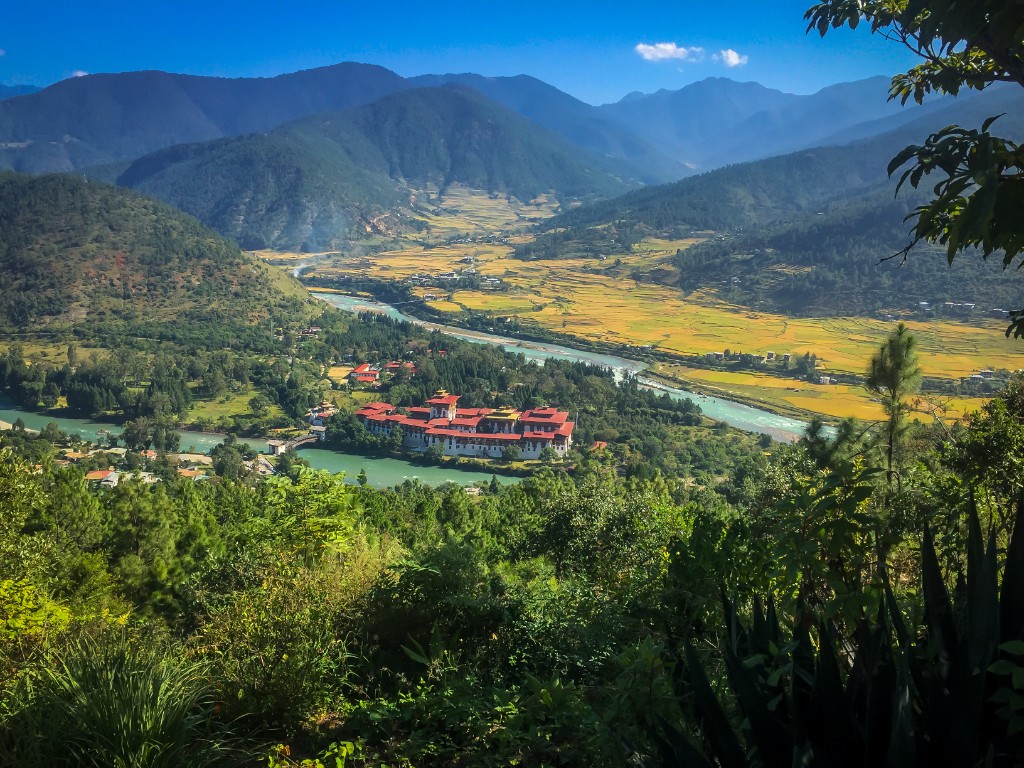
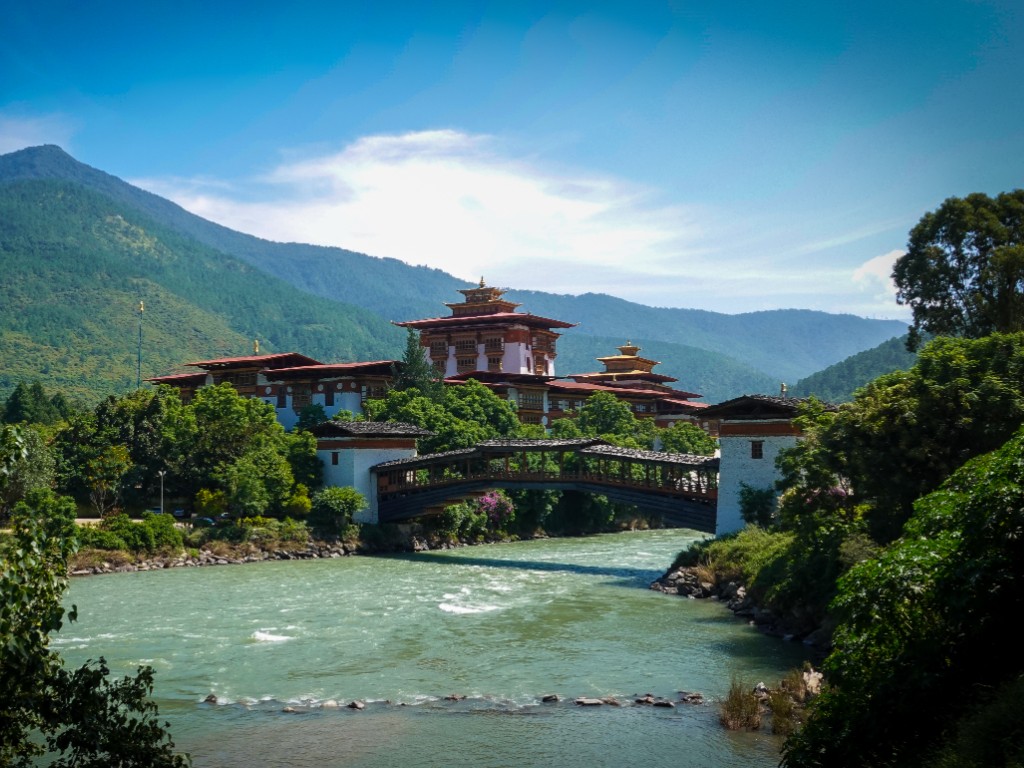
Punakha Dzong – fortress at river confluence
Punatshangchhu Suspension Bridge
Chimi Lhakhang – Temple of Fertility
Optional private picnic, cooking session, or meditation. Evening under the stars by the river.
Overnight: Six Senses Gangtey
Travel to the Phobjikha Valley, home to black-necked cranes. Arrive at Six Senses Gangtey, blending contemporary luxury with untouched nature. Afternoon at leisure—spa, yoga, or quiet reflection. Evening storytelling by the fireplace.
Overnight: Six Senses Gangtey
Explore the valley’s spiritual and natural beauty:
Gangtey Monastery – spiritual heart of the valley
Gangtey Nature Trail – wetlands, forests, traditional farmhouses
Optional guided meditation, wellness treatments, or photography session.
Overnight: Luxury Lodge in Paro
Travel to Paro Valley, Bhutan’s spiritual gateway. Check in to your luxury lodge. Afternoon at leisure with spa or riverside stroll. Evening fine dining with mountain views.
Overnight: Luxury Lodge in Paro
Sightseeing in Paro:
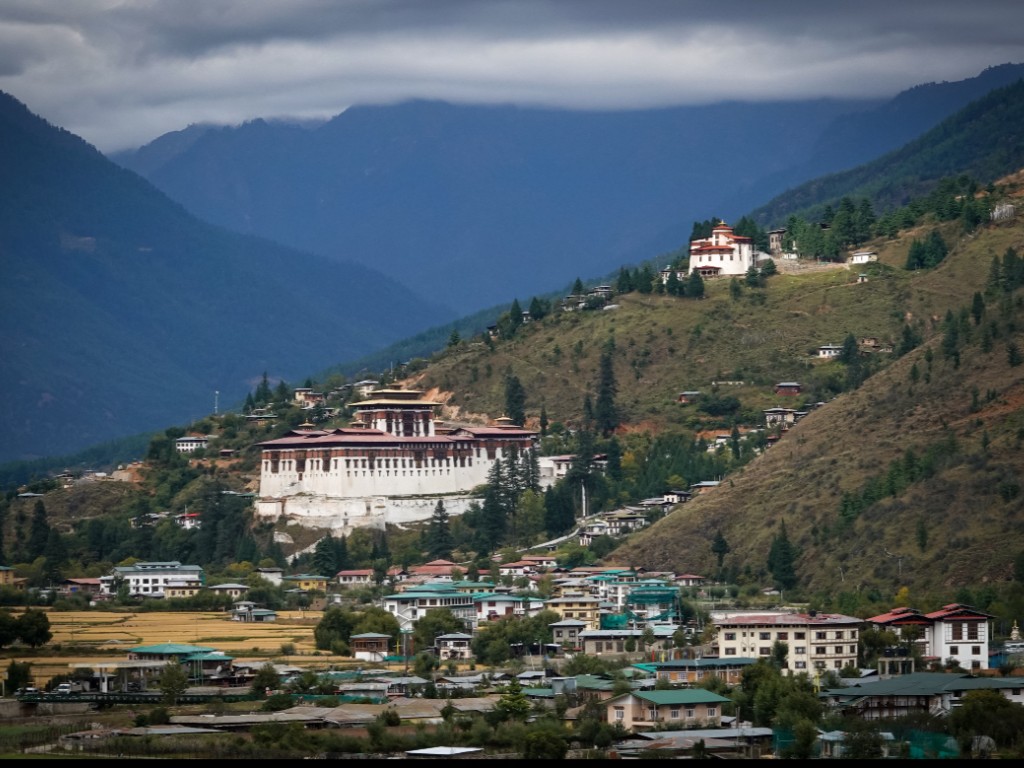
Rinpung Dzong – architectural masterpiece
National Museum of Bhutan – historic watchtower
Traditional farmhouse visit with tea and delicacies
Optional archery, private blessing, or exclusive temple experience.
Overnight: Luxury Lodge in Paro
Early morning hike to Taktsang Monastery (Tiger’s Nest), perched dramatically on cliffs. Private guide ensures a comfortable pace with reflection stops. Afternoon at leisure—spa, photography, or valley relaxation. Farewell dinner under the stars.
A leisurely morning, with time for last-minute photos or reflection. Private transfer to Paro International Airport for departure, carrying the serenity and timeless beauty of Bhutan with you. Wish you safe journey and Tashi Delek!
There are 19 languages spoken in Bhutan, but the national language is Dzongkha. English is used throughout Bhutan’s education system, so it is widely used and understood.
Bhutan is a year-round destination. There are four seasons: summer (June to August), autumn (September to November), winter (December to February) and spring (March to May). But because of the range of altitudes in the country, and the influence of the north Indian monsoons, the climate is incredibly varied.
In the south, the humid, subtropical climate is fairly consistent year-round, with temperatures between 15oC and 30oC. Central Bhutan, with its temperate forests, has a more seasonal climate, with warm summers and cool, dry winters. The northern regions are much colder during winter. Because of the high altitude, mountain peaks are snowy year-round and the lower reaches remain cool in summer.
In summer, the Indian monsoon season runs from late June or July to late September, mostly affecting the southern regions. Most farming activities take place in the summer, when crops thrive in verdant landscapes.
Autumn, from late September or early October to late November, follows the rainy season. It is characterised by bright, sunny days and some early snowfall at higher elevations. It’s the season of feasts and festivals as farmers reap the fruits of their work.
From late November until March, the crisp, clear and sunny winter sets in, with frost throughout much of the country and snowfall common above elevations of 3,000 metres. The winter northeast monsoon brings gale-force winds at the highest altitudes through high mountain passes, giving Bhutan the name Drukyul, which means Land of the Thunder Dragon in Dzongkha (Bhutan’s national language).
Bhutan’s generally dry spring starts in early March and lasts until mid-April. It is a botanist’s delight, with nature in full bloom. Summer weather commences in mid-April with occasional showers and continues to late June.
Visitors of all nationalities, except those from India, require a visa before entering Bhutan. For all visitors, except those from Bangladesh and the Maldives, this visa must be applied for and approved in advance of travel. Visitors from Bangladesh and the Maldives also require a visa, but this can be applied for and approved either in advance of travel or upon arrival in Bhutan.
Visitors from India are able to apply for a permit but are required to hold an Indian passport or an Indian voter ID card. For Indian nationals under the age of 18, a passport or a birth certificate can be used to enter and they must be accompanied by a legal guardian.
Nationals from Switzerland and Thailand holding diplomatic or government-official passports are eligible for a visa at their port of entry.
No, there are no restricted nationalities in Bhutan.
The Sustainable Development Fee (SDF) is a daily levy paid by visitors to support Bhutan’s development. Since the kingdom first opened its doors in 1974, guests have played a critical role in our country’s growth.
The SDF is collected by the national exchequer and funds are allocated to various projects that create long-term, sustainable opportunities for the Bhutanese people, through free healthcare, education and training, upskilling the tourism and hospitality industry, improved infrastructure, environmental preservation and conservation, cultural preservation programmes and initiatives that support local businesses and economies. The SDF is also a vital means of maintaining the exceptional forest cover and carbon-neutrality for which our small nation is world-renowned and globally critical. The SDF also helps us to ensure that we can continue to offer guests tranquillity and an intimate experience.
The SDF is USD 100 per night for adults from all countries except for India. Children aged between 6 years and who have not yet turned 12 are eligible to pay USD 50 per night. Children who have not yet turned 6 years old do not have to pay any SDF.
The SDF for Indian nationals (showing a valid Indian passport or Voter ID card) is Nu. 1,200 (or the equivalent amount in Indian rupees) per person, per night. Children aged between 6 years and who have not yet turned 12 are eligible to pay Nu./INR 600 per night. Children who have not yet turned 6 years old do not have to pay any SDF.
You may bring cash equivalent to US$10,000 into the country.

Member Since 2025